
Facial surgery
Blepharoplasty
What is eyelid surgery, or blepharoplasty?
The eyelid surgery or blepharoplasty corrects those drooping eyelids or bags under your eyes that make you look tired or sad. This procedure involves removing excess skin and fat deposits from the upper and lower eyelids.
In the case of the lower eyelids, the fat pockets—which can sometimes become quite large—are removed to achieve a more rested and rejuvenated appearance. A minimally invasive option for this procedure is the transconjunctival blepharoplasty, which is performed through a small incision on the inner surface of the eyelid, avoiding visible scars and allowing for a faster recovery.
For those looking for less invasive solutions, the minimally invasive blepharoplasty combines advanced techniques that reduce recovery time and the risk of complications. One of the innovations in this field is the radiofrequency blepharoplasty, which uses thermal energy to tighten the skin and reduce under-eye bags without the need for deep incisions, making it an ideal option for people with mild to moderate sagging.
There is no specific age for undergoing this type of procedure, as under-eye bags can appear in both young and older individuals. However, as the tissues in this area lose their elasticity over time, the bags become more pronounced and excess skin becomes more noticeable, which may require more personalized treatments.
What does the procedure involve?
For eyelid surgery (blepharoplasty), local anesthesia is used, and in some cases, sedation is also administered. General anesthesia is not recommended under any circumstances; our specialists will provide you with professional guidance.
This procedure can be performed in two ways:
- External approach: Through a small incision beneath the eyelashes, the fat pockets are removed and closed with a very fine suture, which also serves to tighten the skin and give your eyes a fresh, youthful appearance.
- Internal (transconjunctival) approach: This involves making a small incision on the inside of the eyelid, without any external wound, to remove the fat through the inner mucous membrane of the eyelid. In this type of procedure, the eyes are protected with special contact lenses (eye shields) after anesthetic eye drops are administered. This procedure is the most common for people under 40 who do not require skin removal. The major advantage of this technique is that it leaves no scar.
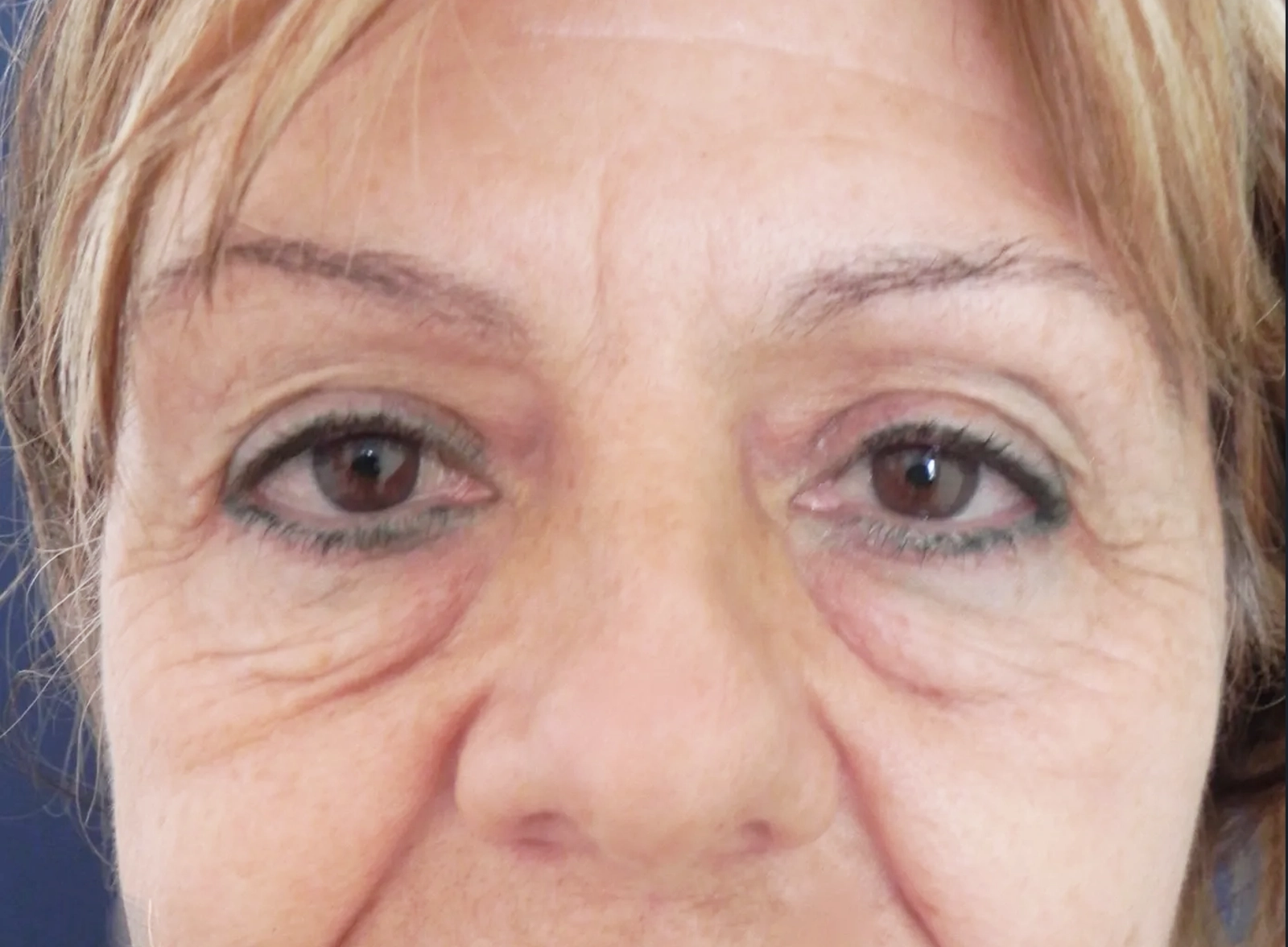
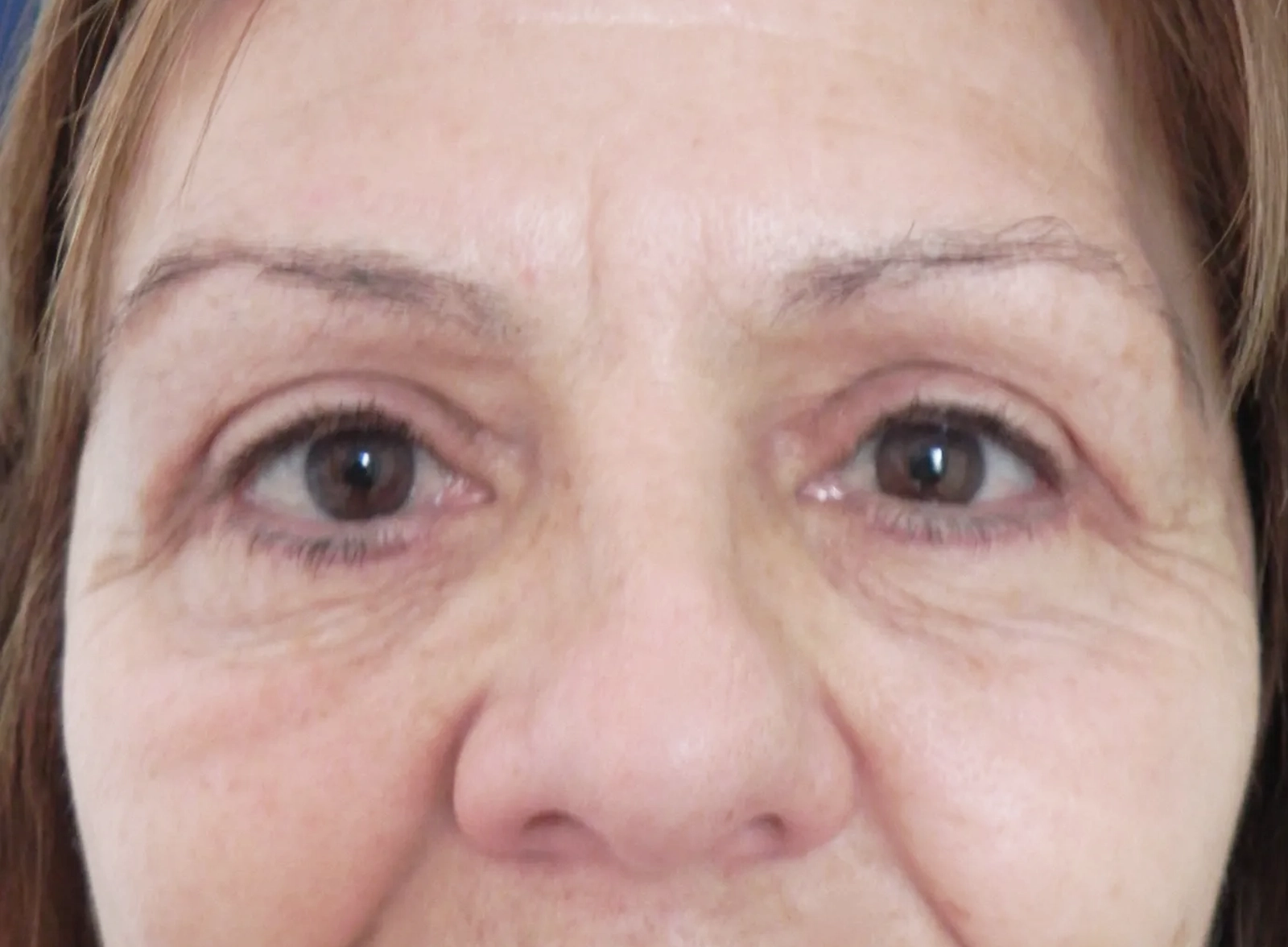
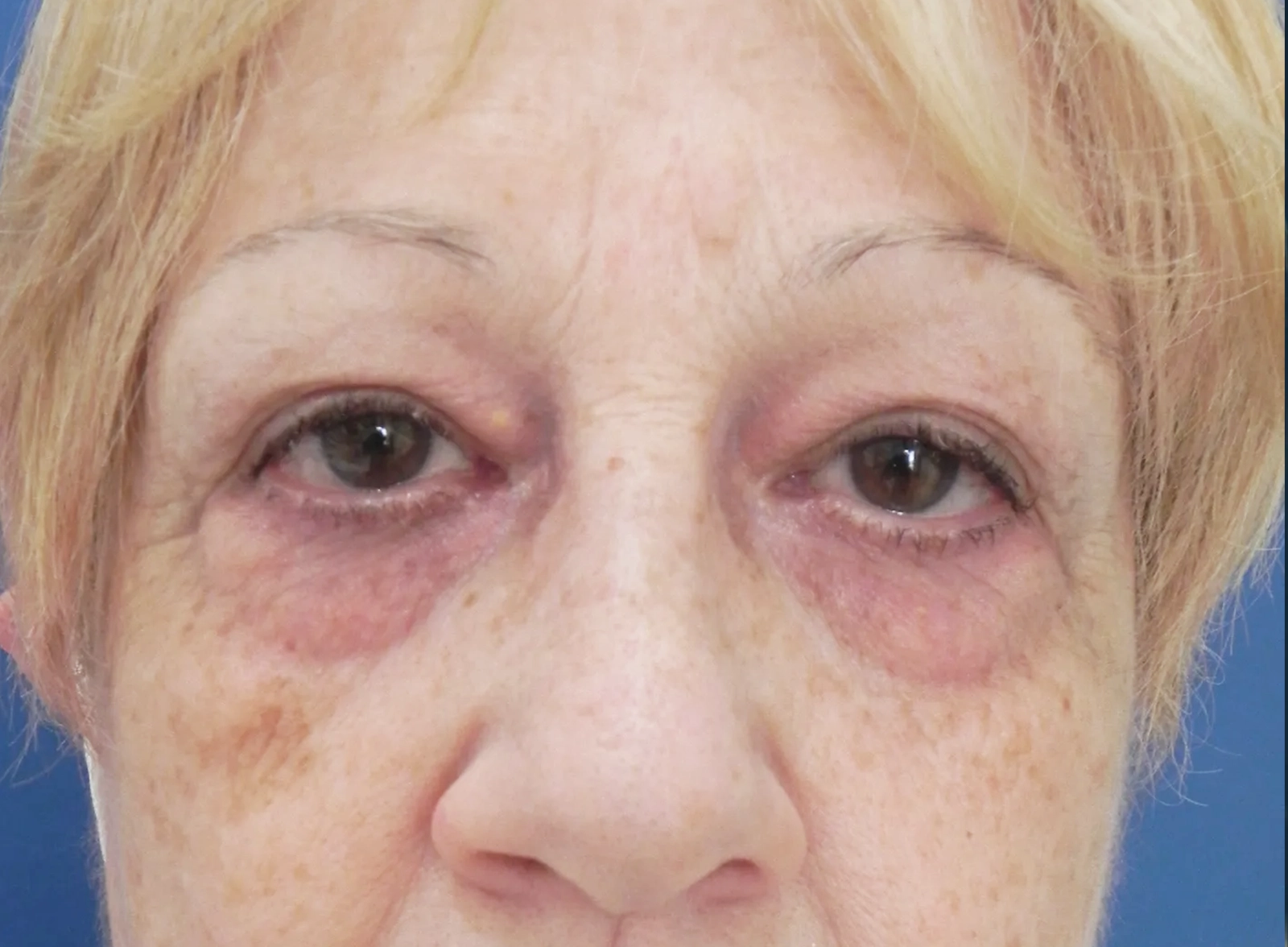
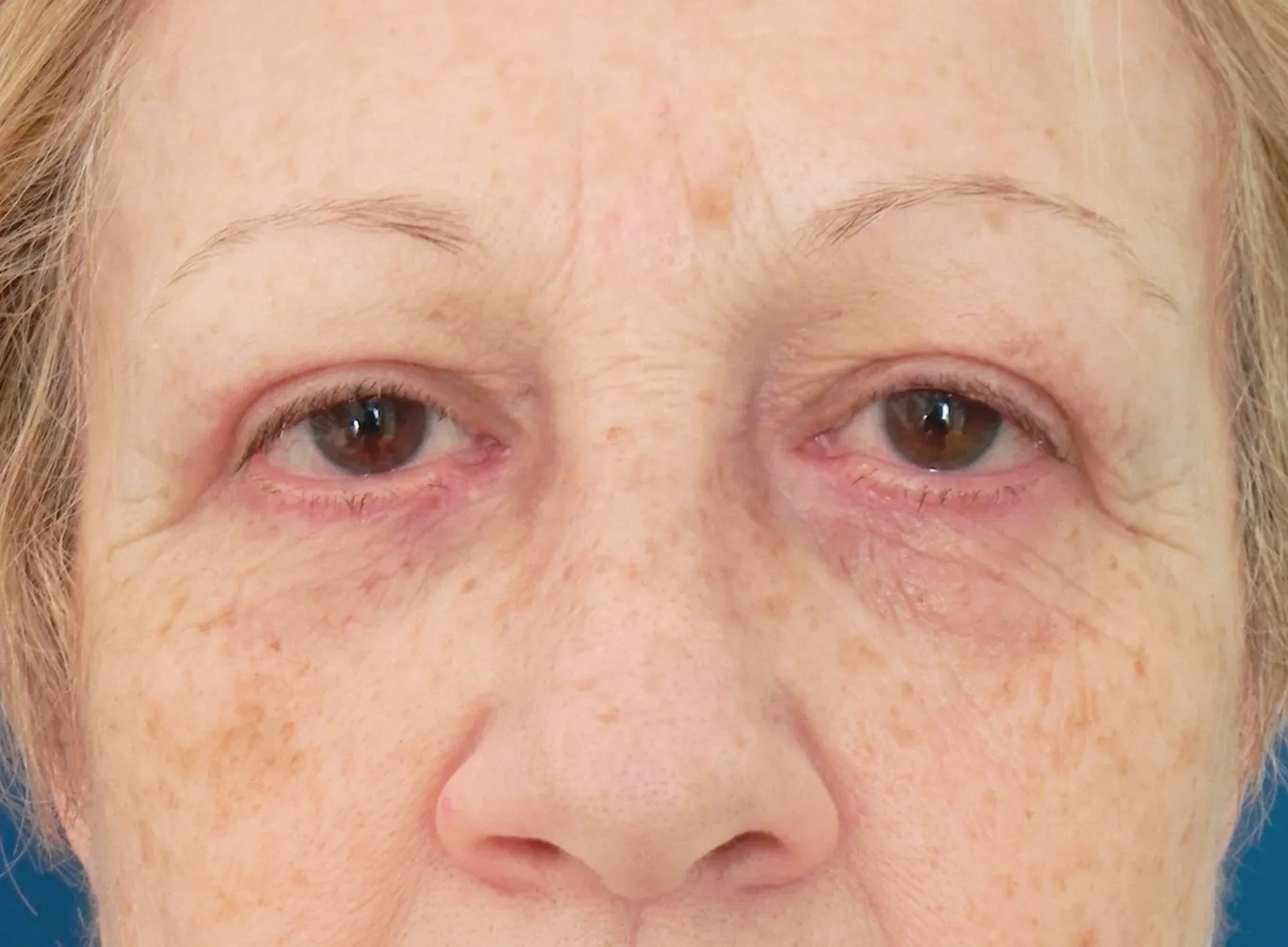
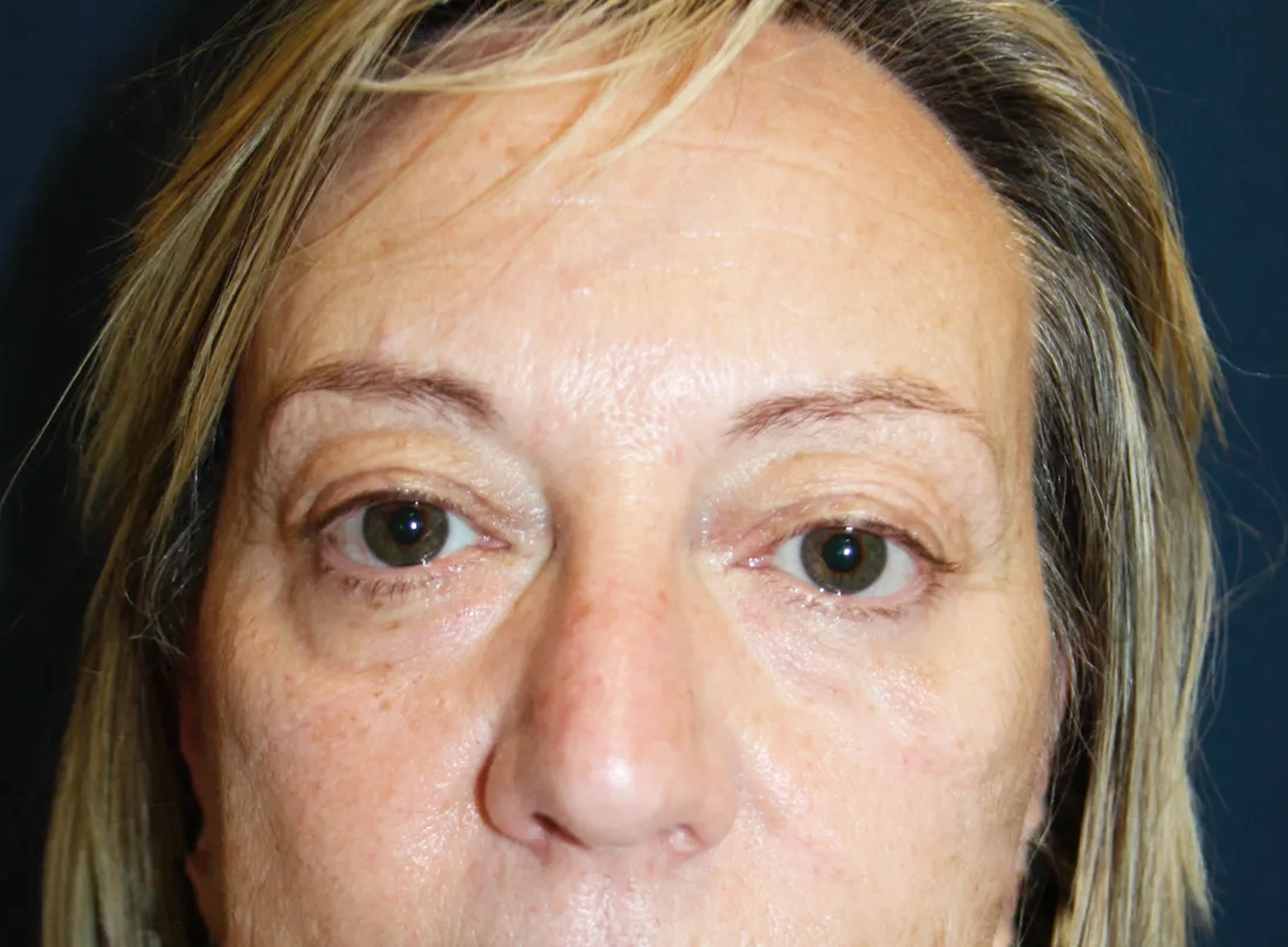
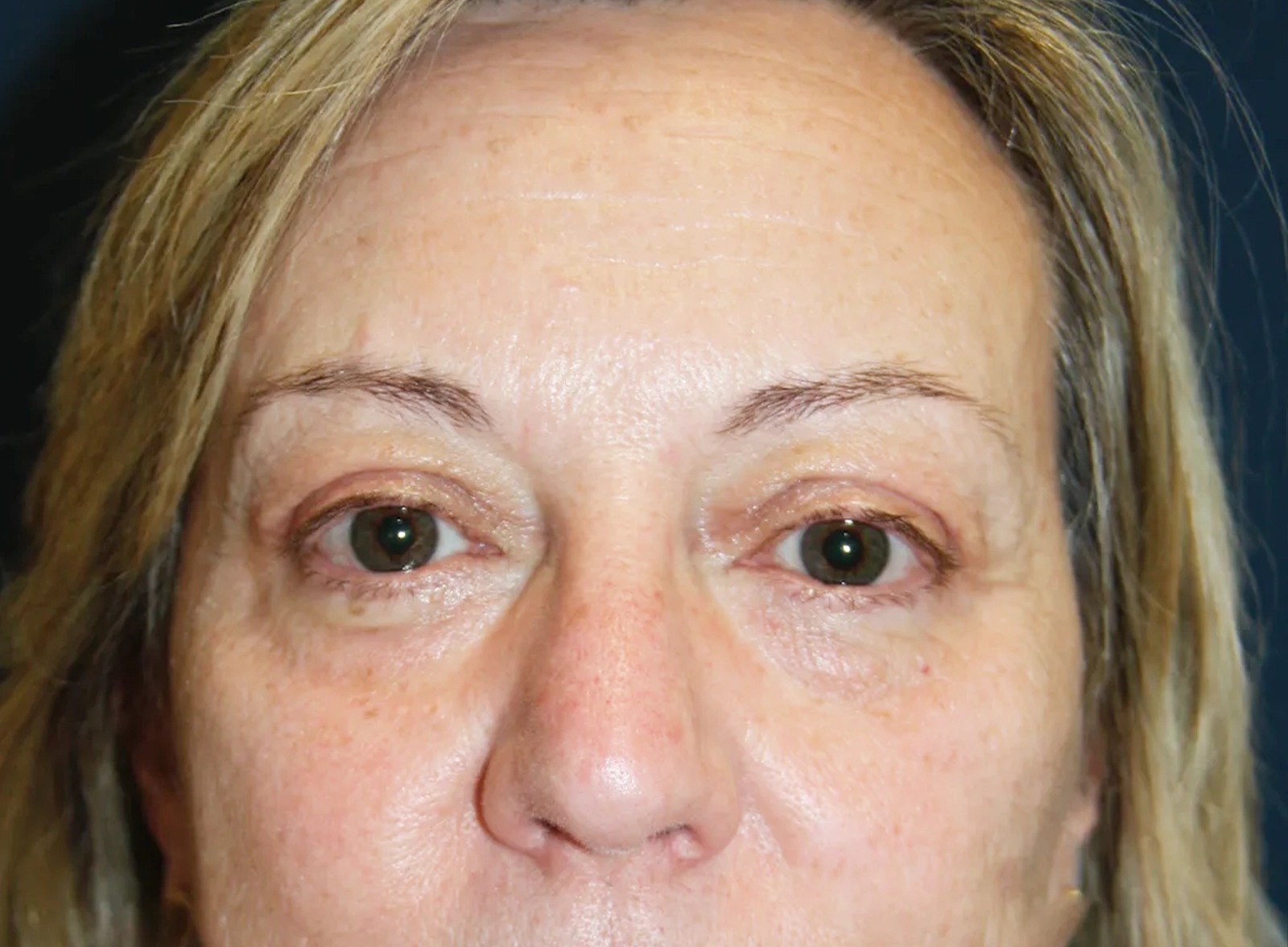
*You may experience swelling and some discomfort, which will gradually subside over the next few days and weeks
Benefits
Frequently Asked Questions
What does the preoperative process for eyelid surgery (blepharoplasty) involve?
During the first session, we evaluate the state of your eyes (degree of vision, production of tears or possible infectious problems) and your general health status to be able to prevent or minimize any risk.
It is important that you provide information about your daily habits (such as whether you smoke or drink alcohol), whether you wear glasses or contact lenses, whether you have any allergies, whether you are taking any medications, and whether you have had any eye problems, so that the specialist at the Dr. Ana Torres Institute can get a comprehensive picture of your health.
Before the procedure, we conduct a preoperative evaluation, which includes an ECG, a complete blood count, and a chest X-ray if the patient is a smoker.
At the Dra. Ana Torres Institute, we will explain how to prepare for the procedure. This includes a homeopathic medication regimen that you should begin taking one week before the procedure.
What are the post-operative care instructions for blepharoplasty?
To help with any post-operative discomfort, we prescribe homeopathic medication and a pain reliever such as acetaminophen. In most cases, stronger pain relievers will not be necessary.
It is advisable to apply cold compresses or compresses soaked in chamomile during the first few days.
If you experience eye irritation, signs of conjunctivitis, infection, or reactions to the anesthesia, you should consult the doctor who performed the procedure at the Instituto Dra. Ana Torres. From the first day until two months have passed, you should protect the area from the sun by wearing large sunglasses that provide side coverage. You may apply makeup ten days after the operation.
It is advisable to use a high-SPF sunscreen that can also serve as a makeup primer.
At the Dra. Ana Torres Institute, we will let you know when you can watch TV again (usually 24 hours after the procedure), when you can read again (usually 48 hours later), when you can start wearing contact lenses again if you need them, and when you can return to work (usually between the fifth and seventh day after blepharoplasty).
Should you stop taking any medications before eyelid surgery?
Yes, it is important to tell the specialist at the Dr. Ana Torres Institute about all the medications you are taking, as some may increase the risk of bleeding or interact with the anesthesia.


