
Facial surgery
Face and neck lift
What is face and neck lifting?
When you have excessive sagging skin on your face and neck, a facelift is the best treatment option to correct it.
A neck and face lift noticeably improves your appearance, restoring skin tone and facial contours, providing a rejuvenating and revitalizing effect that time had taken away.
The facelift varies depending on the areas of the face to be improved, the emphasis on the most affected areas, the placement and extent of the incisions, the use or not of complementary techniques (eyelid surgery, cheek augmentation, among others) and the duration of the operation.
What does the procedure involve?
The technique used at the Dra. Ana Torres Institute for face lifting basically consists of repositioning the muscle layers, skin and fat, removing excess tissue through an incision that usually begins in the area above the ears (inside the hairline).
This technique extends within the natural lines of the ear and continues around the lobe, behind the ear, and onto the scalp. In this way, the scars are perfectly camouflaged, improving your appearance and helping you regain lost confidence.
In some cases, additional liposuction of the neck is necessary, and sometimes the neck muscles need to be repositioned, resulting in a 3 cm scar just below the chin.
The following day, prior to discharge, the drains and dressings are removed, and the hair is washed. We only apply an elastic bandage to relieve tension on the wounds for 8 days (at least 8 hours daily).
In the days following the procedure, bruising and swelling may appear, which will gradually subside.
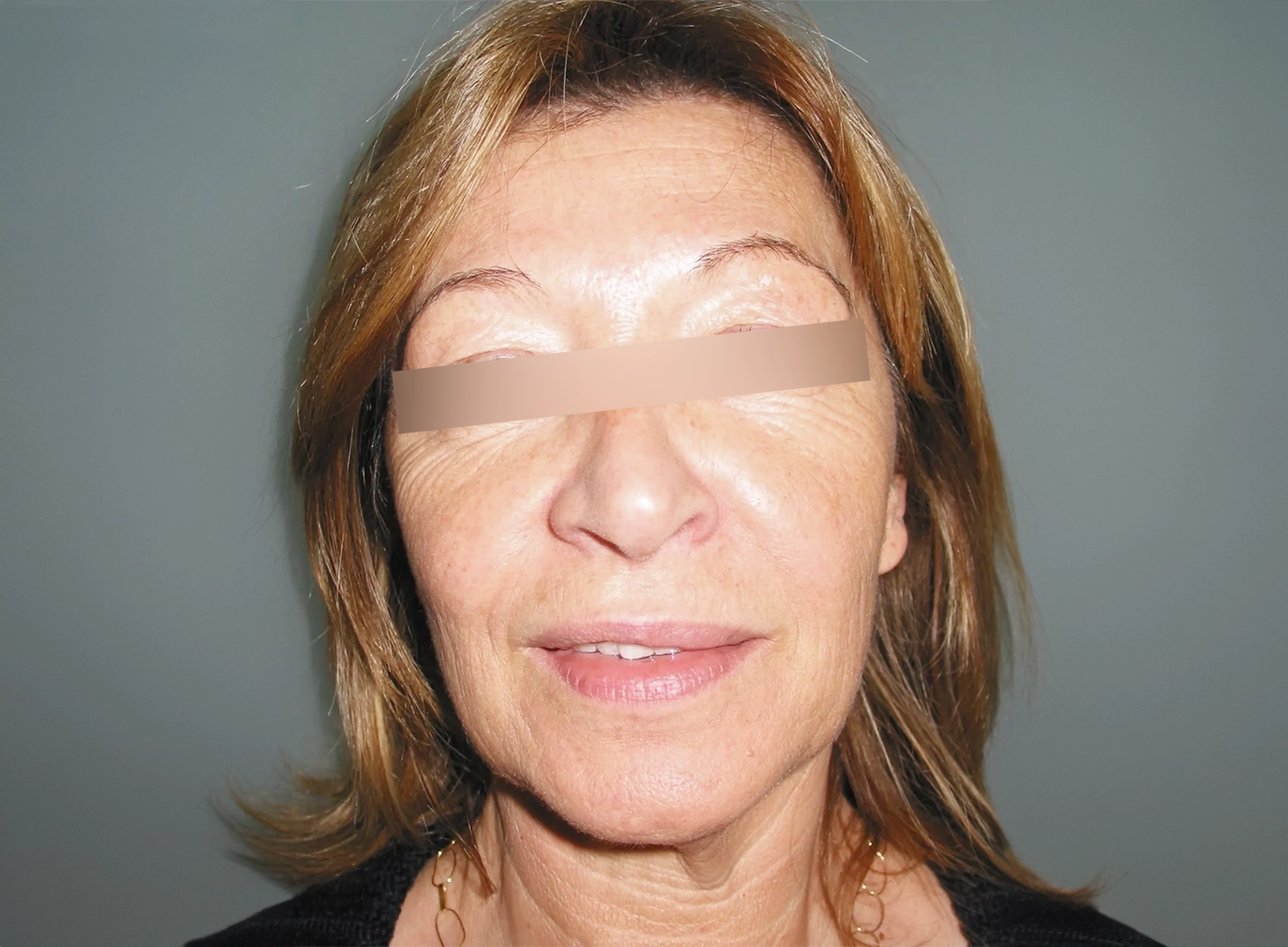
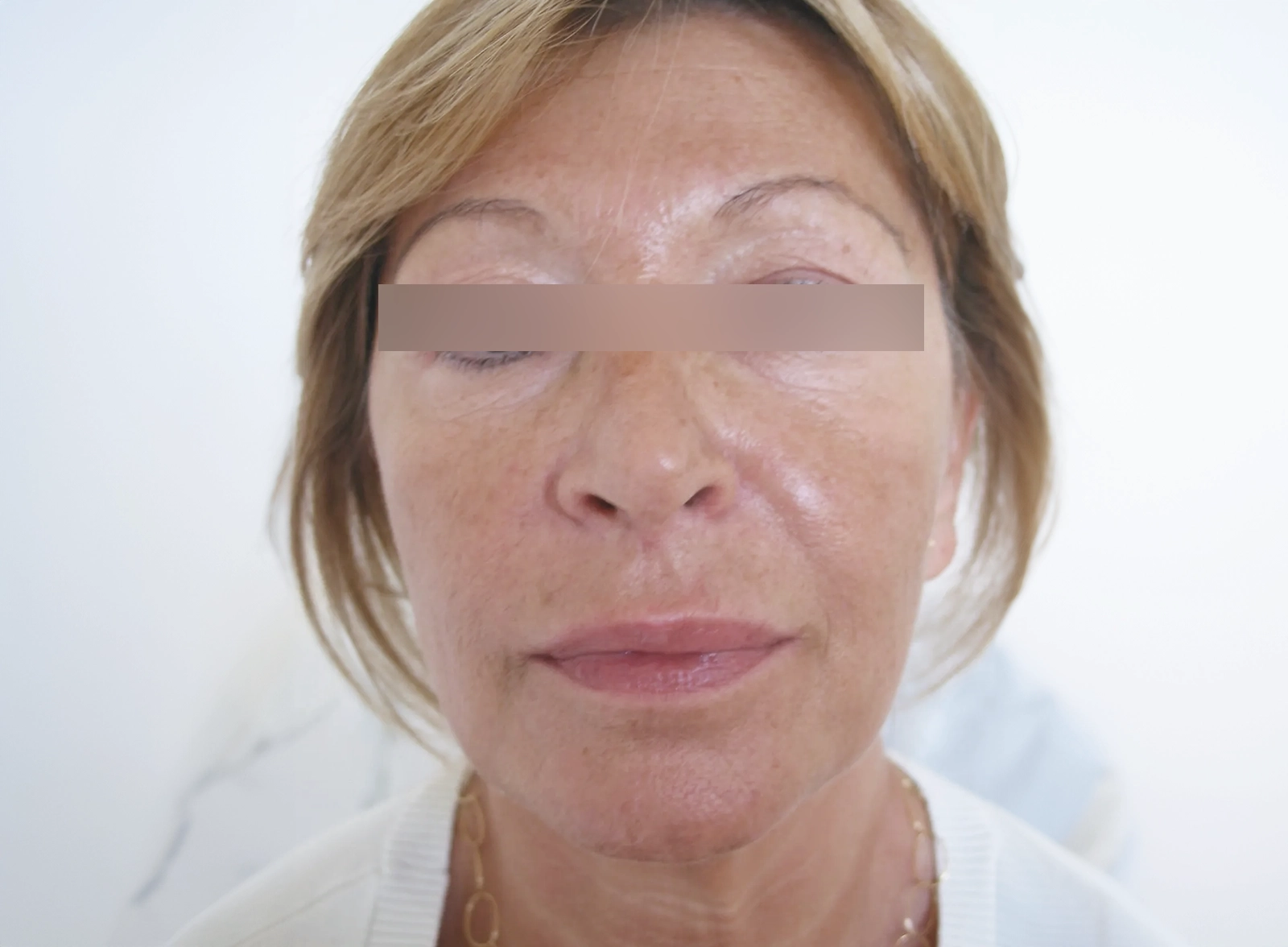
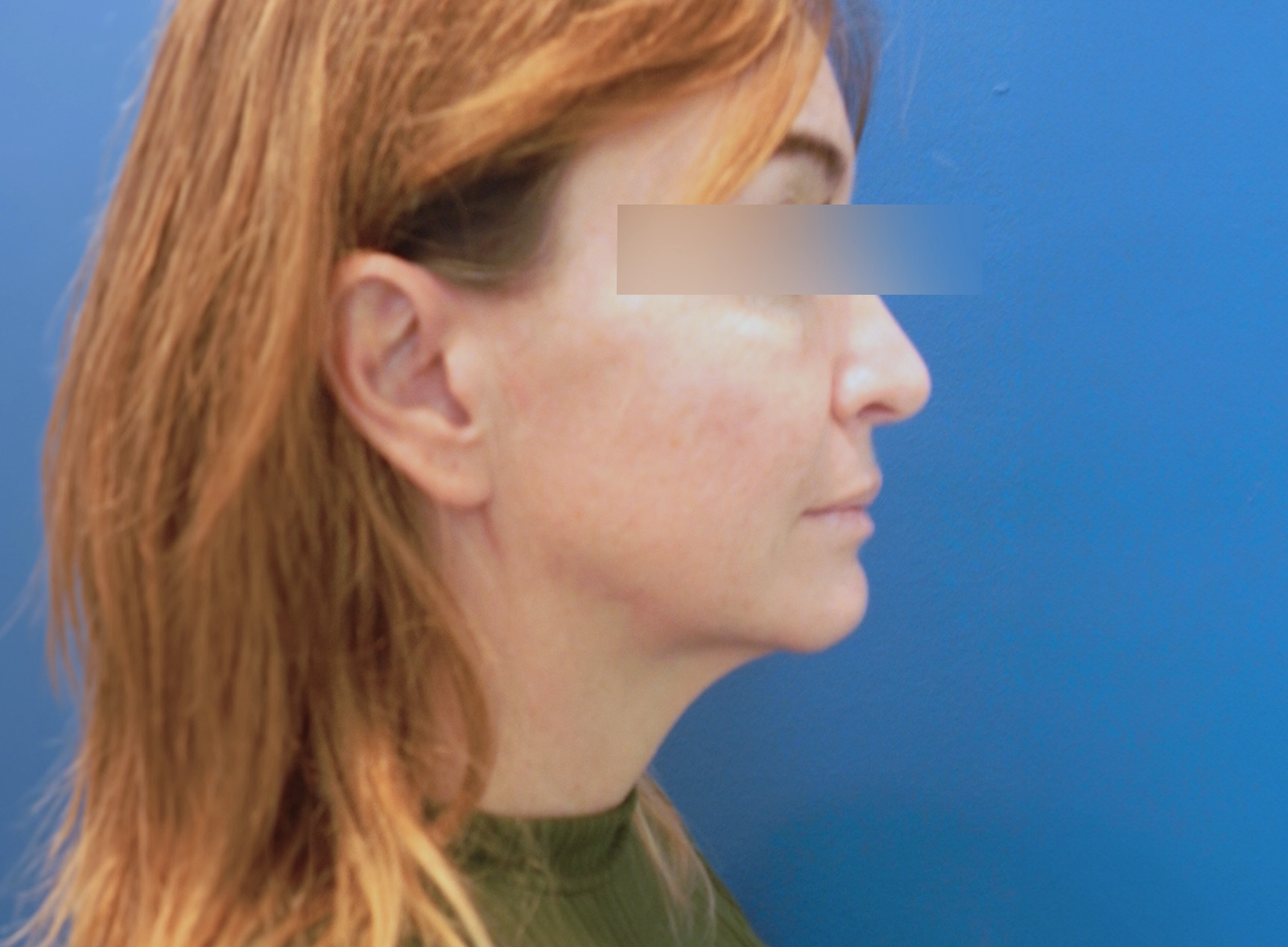
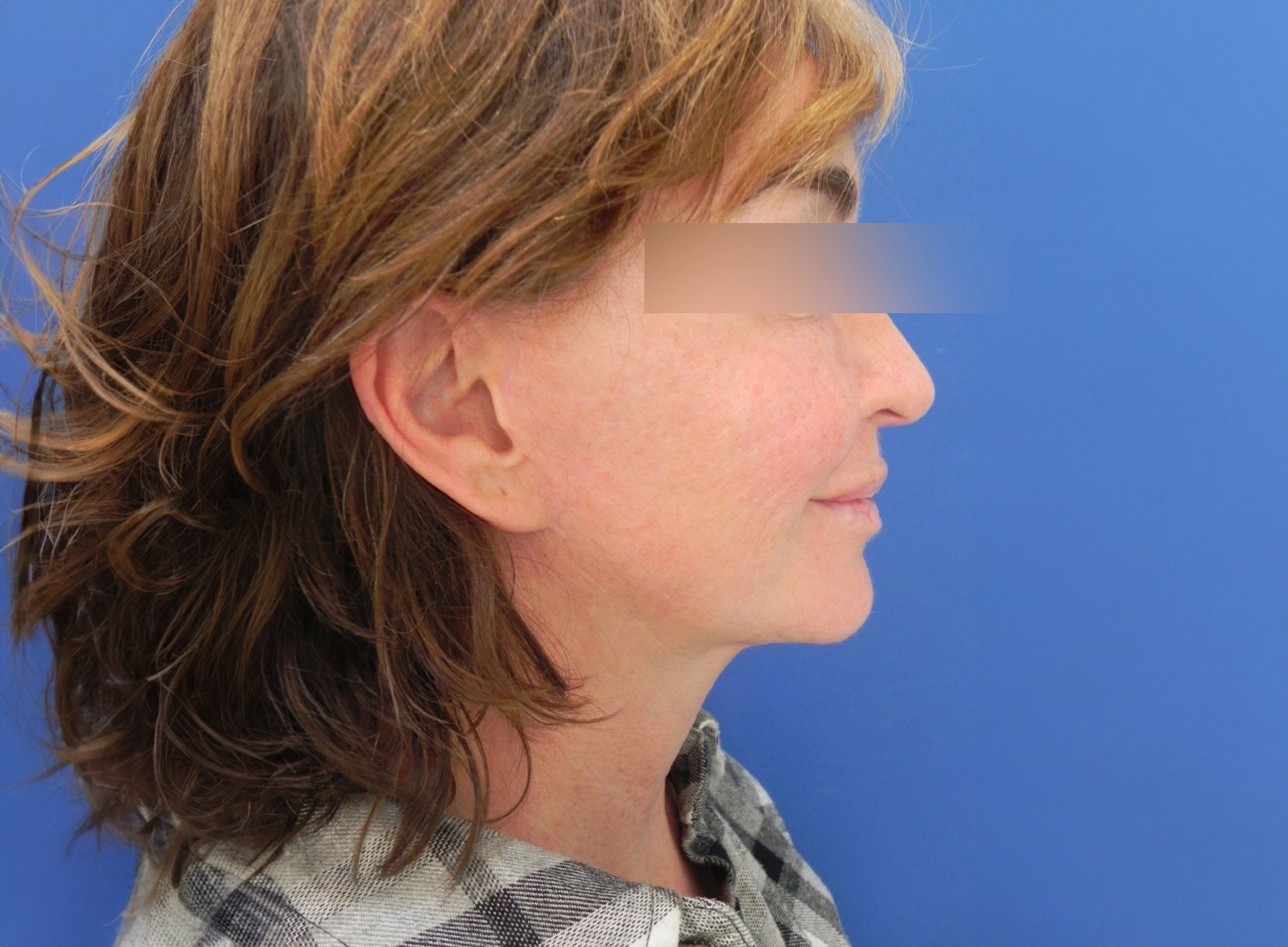
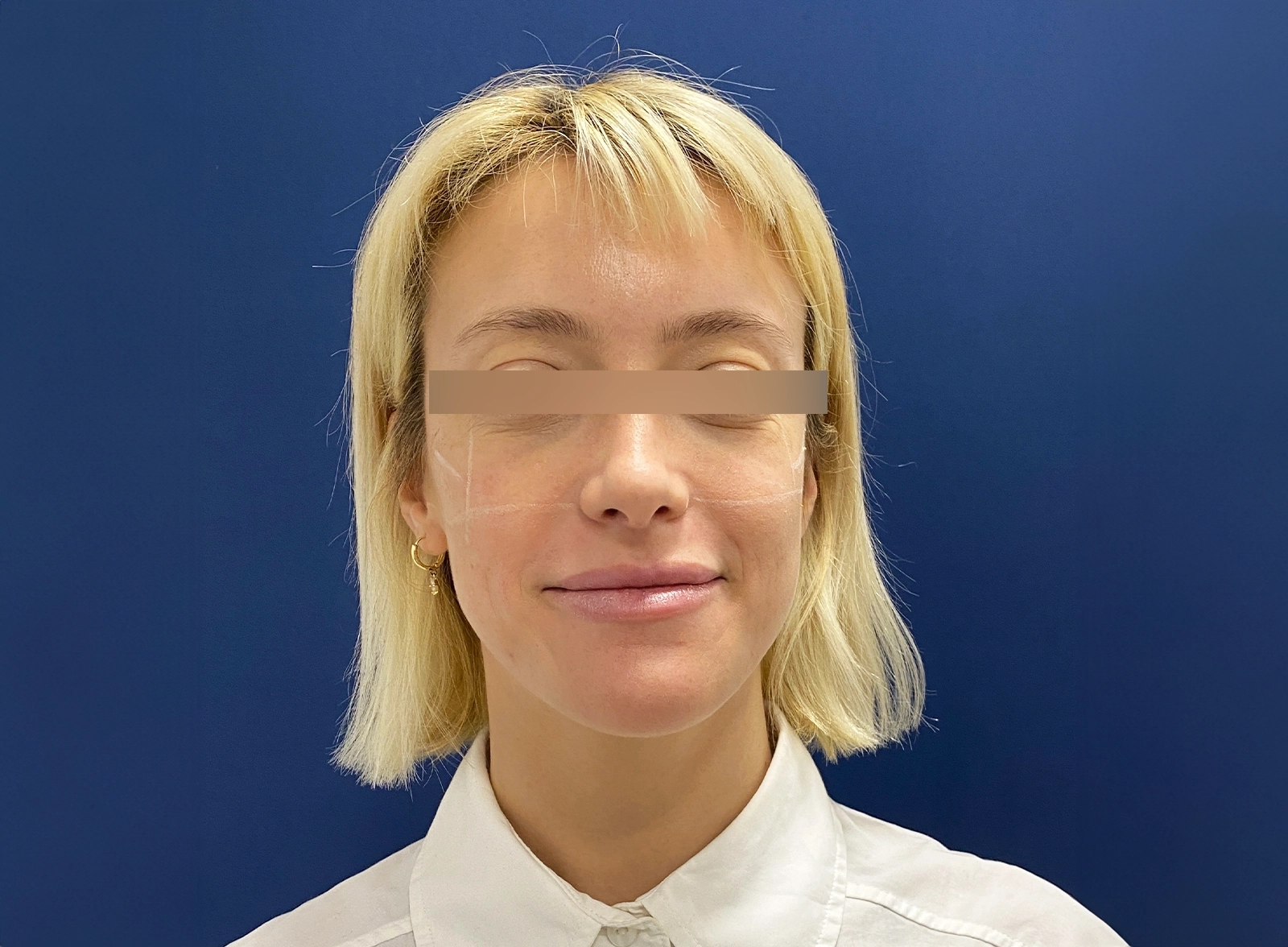
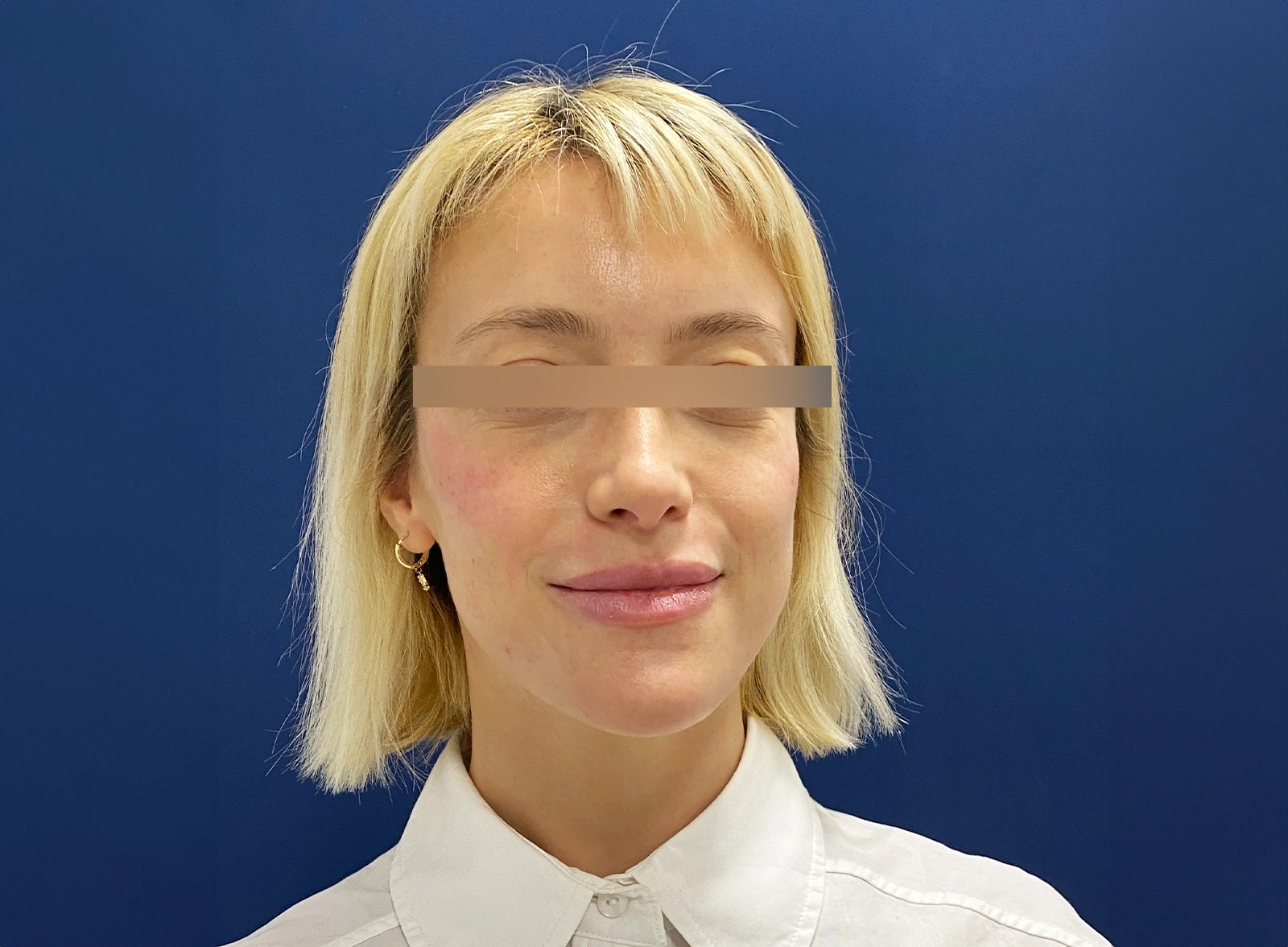
*You may experience swelling and some discomfort, which will gradually decrease in the days and weeks following the facelift.
Benefits
Frequently Asked Questions
What does the preoperative process for eyelid surgery (blepharoplasty) involve?
During the first session, we evaluate the state of your eyes (degree of vision, production of tears or possible infectious problems) and your general health status to be able to prevent or minimize any risk.
It is important that you provide information about your daily habits (such as whether you smoke or drink alcohol), whether you wear glasses or contact lenses, whether you have any allergies, whether you are taking any medications, and whether you have had any eye problems, so that the specialist at the Dr. Ana Torres Institute can get a comprehensive picture of your health.
Before the procedure, we conduct a preoperative evaluation, which includes an ECG, a complete blood count, and a chest X-ray if the patient is a smoker.
At the Dra. Ana Torres Institute, we will explain how to prepare for the procedure. This includes a homeopathic medication regimen that you should begin taking one week before the procedure.
What are the post-operative care instructions for blepharoplasty?
To help with any post-operative discomfort, we prescribe homeopathic medication and a pain reliever such as acetaminophen. In most cases, stronger pain relievers will not be necessary.
It is advisable to apply cold compresses or compresses soaked in chamomile during the first few days.
If you experience eye irritation, signs of conjunctivitis, infection, or reactions to the anesthesia, you should consult the doctor who performed the procedure at the Instituto Dra. Ana Torres. From the first day until two months have passed, you should protect the area from the sun by wearing large sunglasses that provide side coverage. You may apply makeup ten days after the operation.
It is advisable to use a high-SPF sunscreen that can also serve as a makeup primer.
At the Dra. Ana Torres Institute, we will let you know when you can watch TV again (usually 24 hours after the procedure), when you can read again (usually 48 hours later), when you can start wearing contact lenses again if you need them, and when you can return to work (usually between the fifth and seventh day after blepharoplasty).
Should you stop taking any medications before eyelid surgery?
Yes, it is important to tell the specialist at the Dr. Ana Torres Institute about all the medications you are taking, as some may increase the risk of bleeding or interact with the anesthesia.


