
Breast surgery
Breast reduction
What is breast reduction?
Breast reduction surgery is designed to decrease size and improve shape. This procedure is especially beneficial for relieving physical discomfort, such as back, neck and shoulder pain, caused by the excess weight of the breasts due to their size.
What does breast reduction involve?
During breast reduction, our specialists in plastic, reconstructive and aesthetic surgery at the Dr. Ana Torres Institute remove excess breast tissue, skin and fat from the breasts, reshaping and lifting the breasts to achieve a size and shape more proportionate to each patient’s body.
This is how the procedure unfolds:
Preoperative
Once the intervention is confirmed, an examination is necessary that includes mammography, ultrasound, ECG and blood tests.
Anesthesia
We use general anesthesia for greater comfort during surgery.
Surgery
The choice of surgical technique will depend on the volume and attributes of the breast: nipple height, width of the implantation pedicle, its extension towards the armpit and the distance that separates one breast from the other in the center.
Aftercare
Rest for 4-5 days and the use of special bras for 3-4 weeks are recommended to promote healing.
Anesthesia
The surgery is performed at the Teknon Medical Center, with discharge scheduled for the following day.
Breast reduction techniques
The choice of technique will depend on the case and the recommendation of the plastic surgery specialist at the Dr. Ana Torres Institute, taking into account the desired result.
Hall-Findlay
Breast reduction technique that uses a periareolar and vertical incision for the resection of breast tissue and reshaping of the breast.
Lower pedicle
This technique preserves breast tissue in the lower area of the breasts, to ensure blood flow and nipple sensitivity, while removing excess tissue from other areas.
Lejour or vertical technique
This technique is characterized by incisions that surround the areola and descend vertically towards the base of the breasts, eliminating the need for the horizontal incision under the breasts used in the traditional inverted “T” technique.
McKissock
It uses an anchor-shaped incision pattern, allowing for the efficient removal of excess tissue and skin while maintaining the nipple’s vascularization and sensitivity through pedicles.
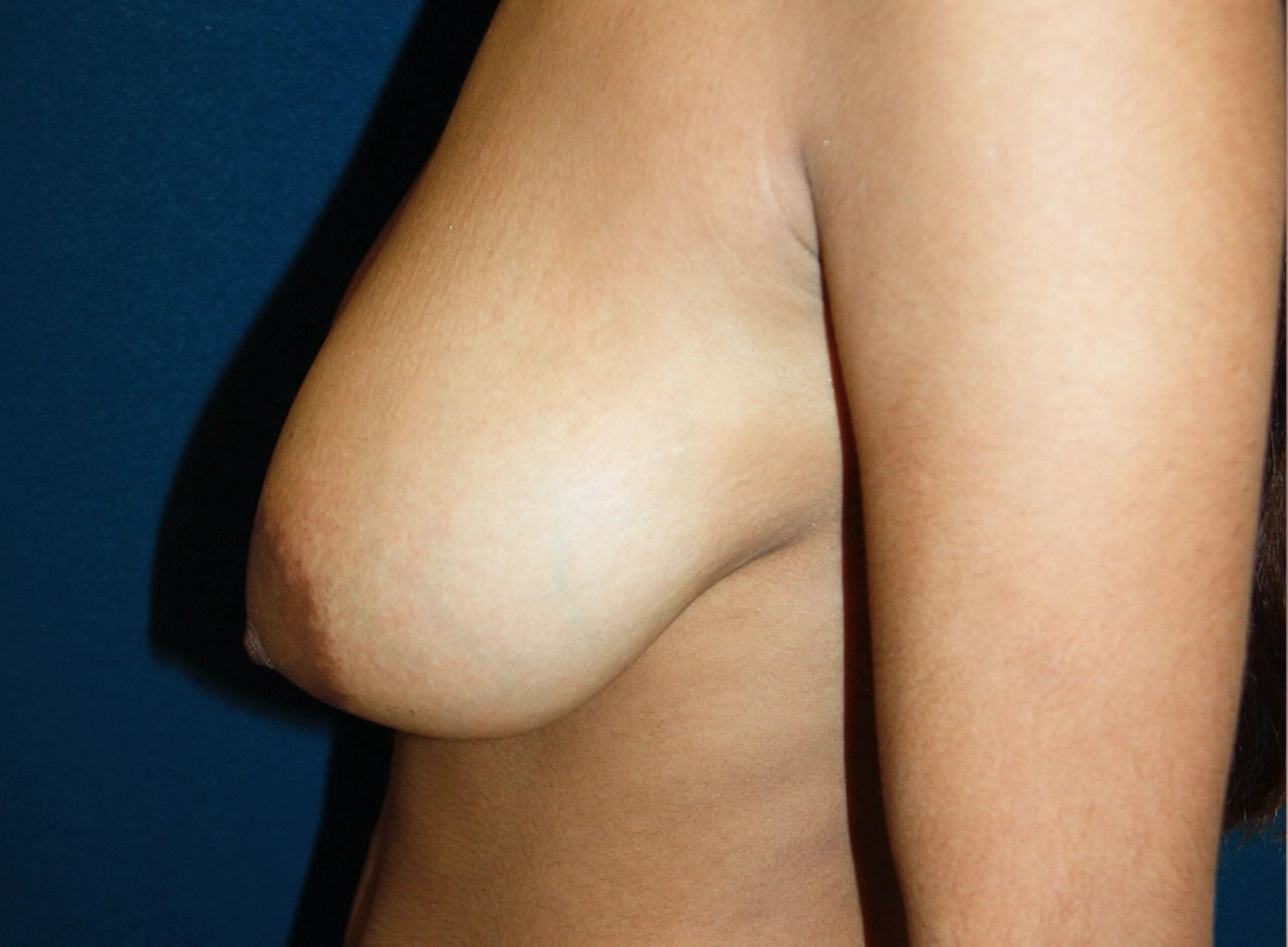
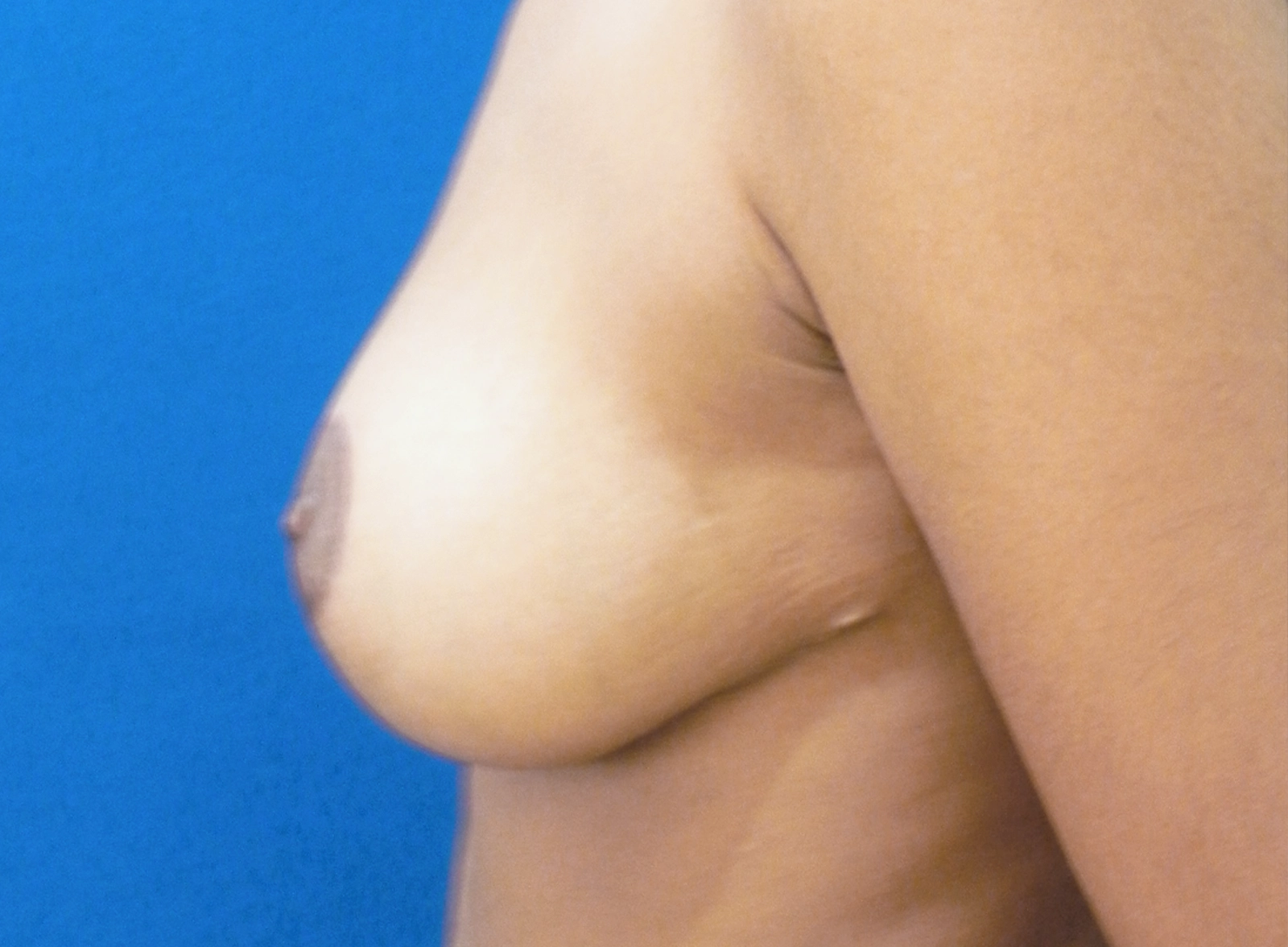
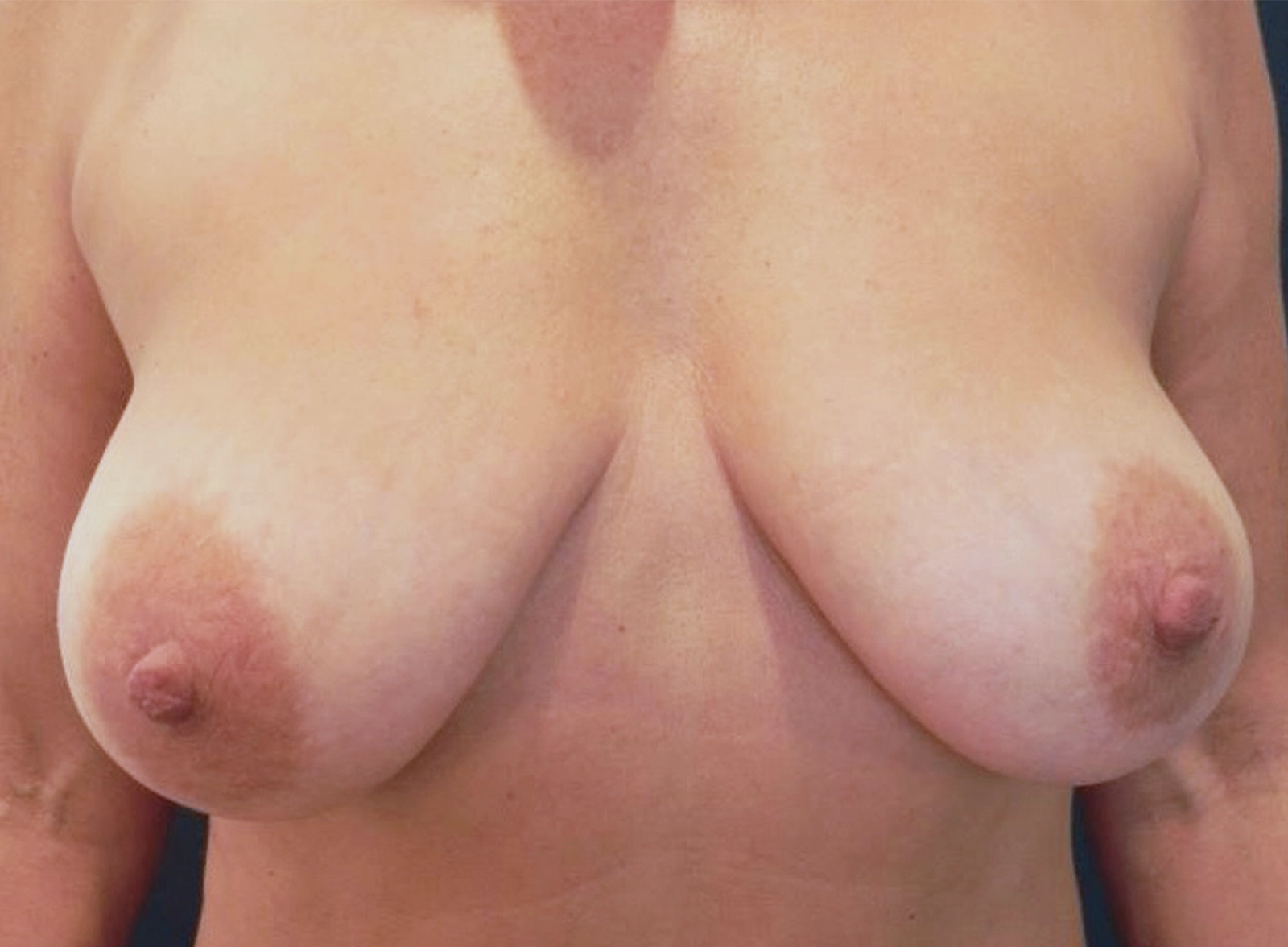
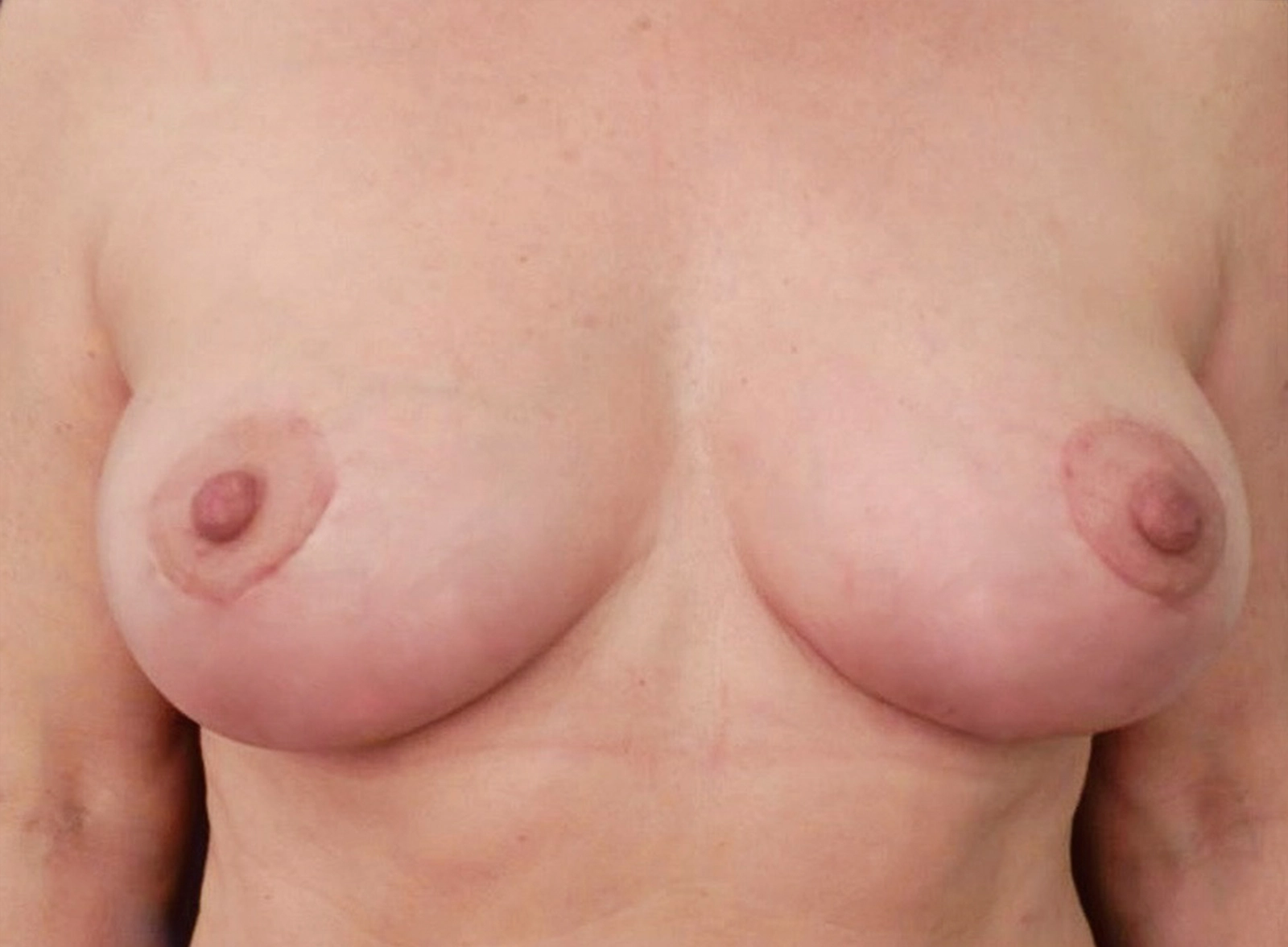
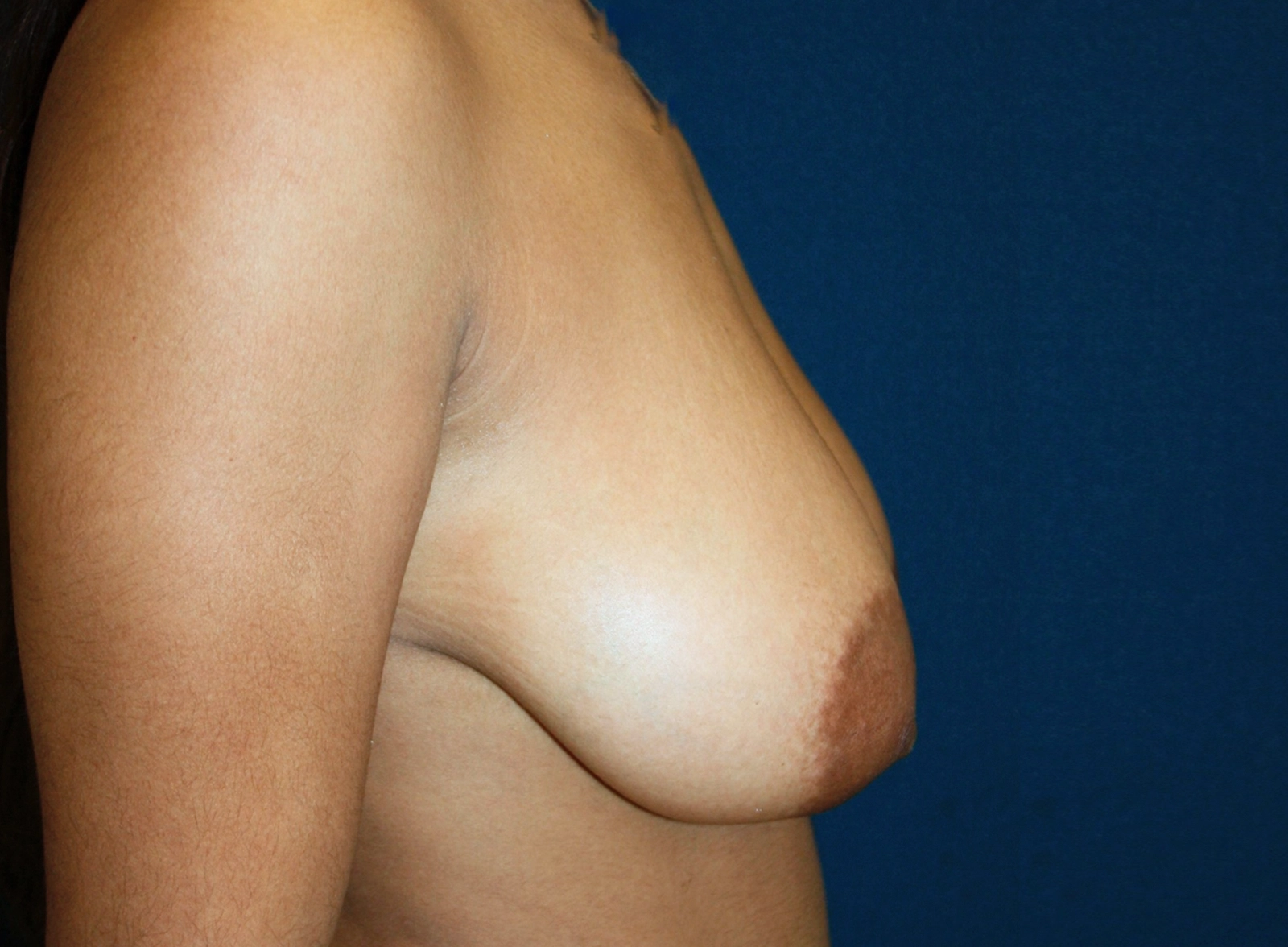
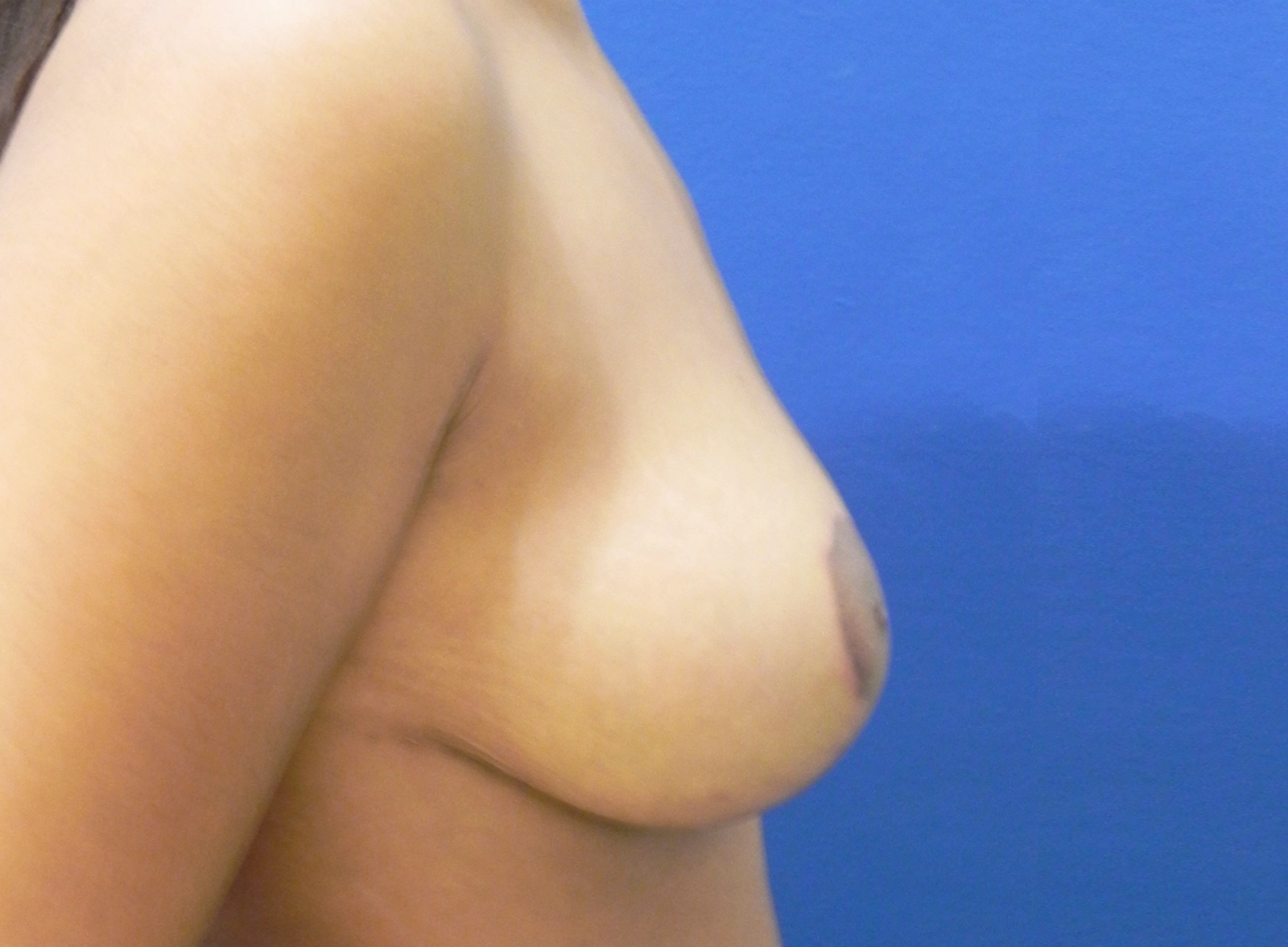
*There may be swelling and bruising that obscure the final result, but these will gradually fade in the weeks following surgery
**Factors such as aging, changes in body weight, and subsequent pregnancies may have an influence.
Benefits
Frequently Asked Questions
How do I know if I'm an ideal candidate for breast reduction?
Breast reduction is ideal if you experience physical discomfort or psychological distress due to the excessive size of your breasts. It is crucial that you have realistic expectations about the results and are in good physical and emotional health before surgery.
What are the risks of breast reduction surgery?
- Scars: Patients with fair, thick skin may have more noticeable scarring. To minimize this, we use precise suturing techniques and recommend postoperative treatments such as silicone dressings and rosehip oil, along with close follow-up. In cases of very large breasts, scar revision surgery may be necessary.
- Infection: Very rare, but preventable with a 5-day course of antibiotics.


