
Cosmetic medicine
Medical peels
What do peels involve?
By applying different acids to your skin, we can renew the surface layers, hydrate them, and keep them healthy and firm.
This is how we remove dead cells from the outer layer, producing successive desquamation.
At the same time, the peel acts as a cell renewal agent and stimulates the formation of collagen and elastin.
This results in brighter, more elastic, younger and smoother skin.
We currently recommend the PR-X Peel to improve your skin’s texture. We apply it in 2 or 3 sessions, with spectacular results immediately after application, without the need for more invasive and complex procedures.
What does the procedure involve?
The chemical used is applied to your clean, dry skin, usually in the form of a gel, lotion, or cream. It is left on for a specific time and then removed with water or a neutralizer.
There are different types of peels, which we classify according to the depth of action of the chemical substance used:
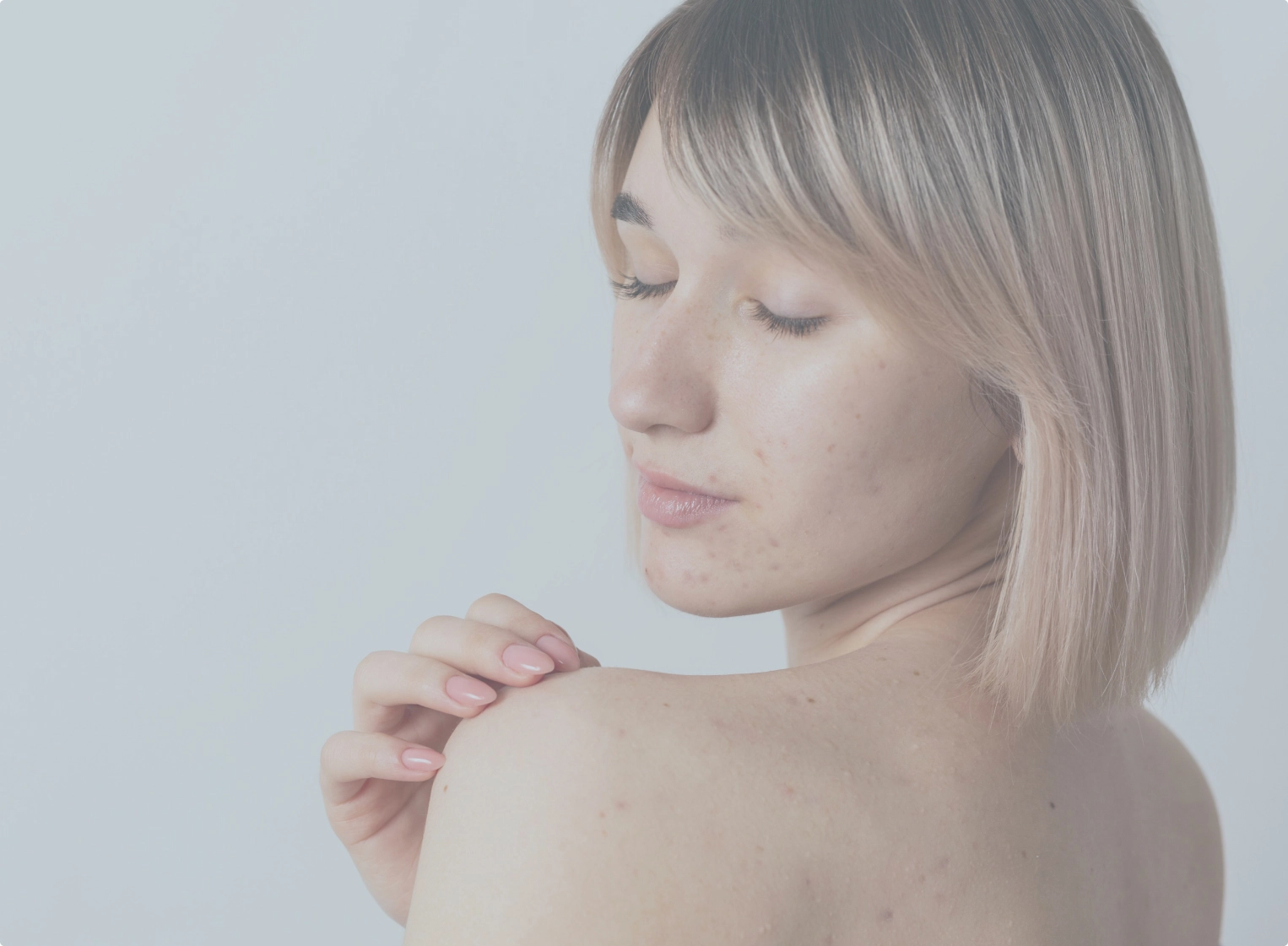
Superficial peel
It works on the outer layer of your skin (epidermis). We use it to treat problems such as dry skin, minor blemishes, and lack of radiance.
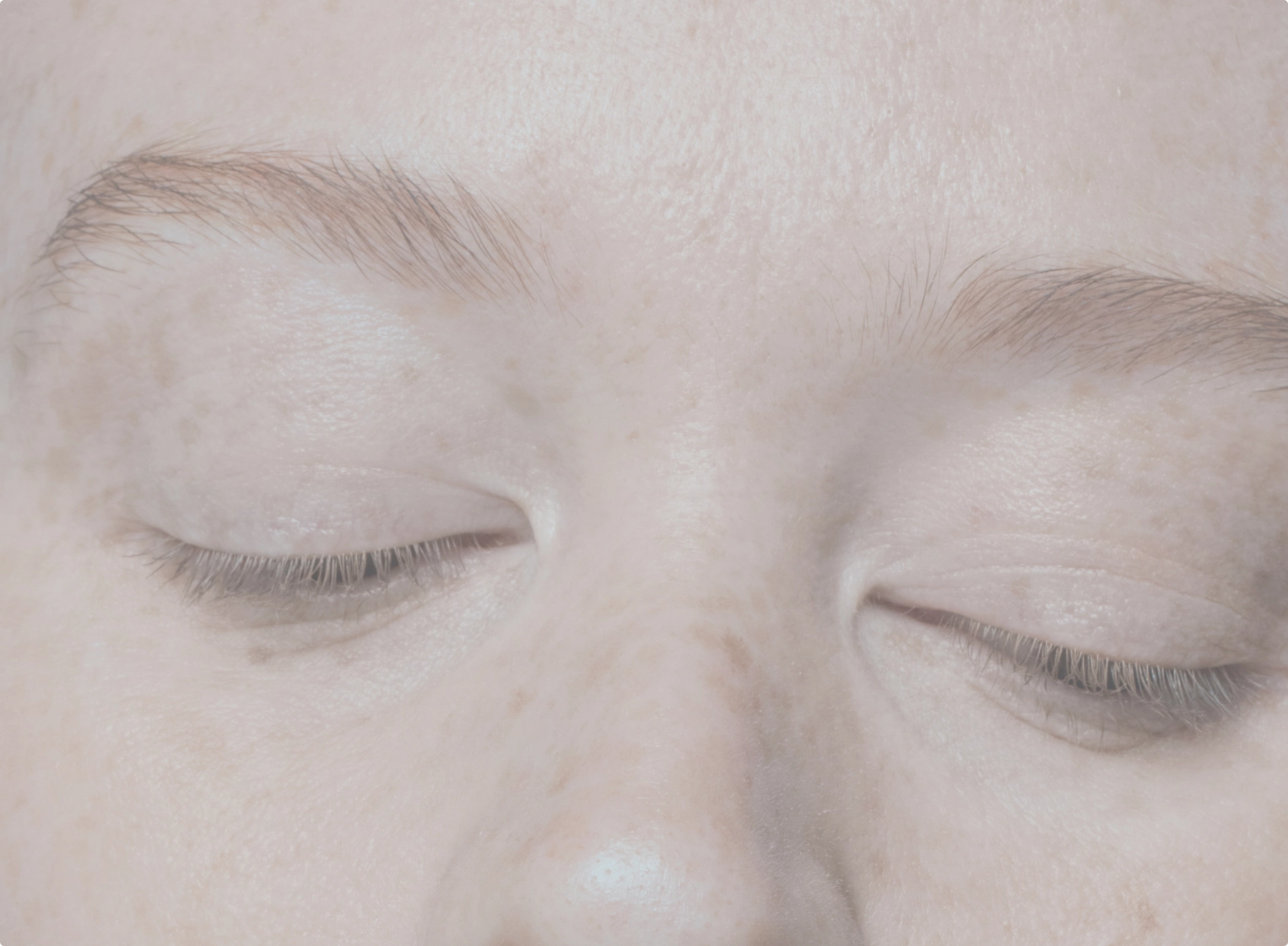
Mid peel
It acts on the epidermis and the upper part of the dermis. Ideal for treating problems such as fine wrinkles, dark spots, and superficial scars.
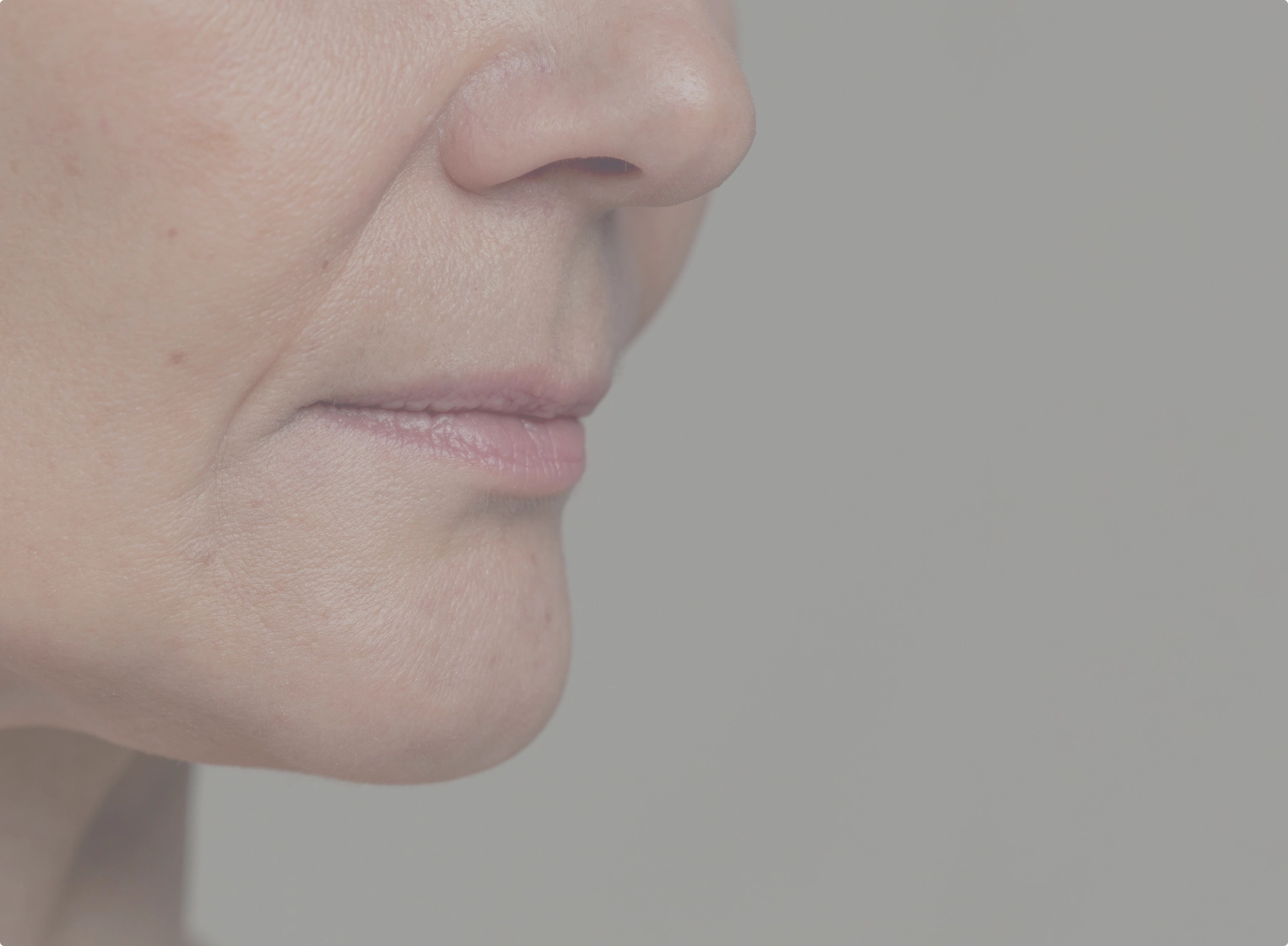
Deep peel
It acts on the epidermis and mid-dermis. With it, we treat problems such as deep wrinkles, deep blemishes, and acne scars.
*You may experience swelling and some discomfort, which will gradually decrease until you see the final results.
Benefits
Frequently Asked Questions
How do I know if I'm a candidate for a chemical peel?
The best way to find out is to consult with one of our experts at the Dr. Ana Torres Institute, who will analyze and evaluate your case to determine the best treatment. To be an ideal candidate, you must be in good general health and have no medical contraindications such as pregnancy or chronic illnesses.
What risks can a chemical peel have?
The risks at the Dr. Ana Torres Institute are generally low, but may include pain, redness, swelling, peeling, sensitivity in the treated area, allergic reactions, and unsatisfactory results. It is important that you consult immediately with a specialist at the Dr. Ana Torres Institute if you experience any adverse side effects.
What care should I take after a peel?
It is important to follow the instructions of the doctor at the Dr. Ana Torres Institute, avoid direct sun exposure, use high protection sunscreen, maintain good skin hydration, and avoid touching or rubbing the treated area to achieve the best results and for these results to last as long as possible.


