Breast surgery
Tuberous breast and breast asymmetries
What is breast deformity correction?
Many women come to our clinic seeking reconstructive surgery because they have a breast deformity; these are alterations in the shape, size, or position of the breasts that can affect both the aesthetics and the health of the patient.
This flaw often affects self-esteem, and being able to talk about the problem with another woman is difficult, embarrassing, and even uncomfortable for many women.
These are some of the most common breast deformities:
-
Breast ptosis: Sagging of the breasts.
-
Breast hypoplasia: Insufficient development of the breasts.
-
Breast asymmetry: Difference in the size or shape of the breasts.
-
Reduction mammaplasty: Reduction of breast size.
-
Gigantomastia: Excessive development of the breasts.
-
Inverted nipples: Nipples that sink inwards.
-
Polymastia: Presence of more than two nipples.
-
Poland syndrome: Total or partial absence of the pectoralis major muscle or abnormalities of the ipsilateral hand.
What does the procedure involve?
Since each case is different and requires a particular treatment, local or general anesthesia may be applied depending on the patient’s condition, their state of health, and the recommendations of both the anesthesiologist and the specialist from the Dr. Ana Torres Institute.
The incision will depend on the type of deformity you have and on the treatment defined by the specialist in plastic, reconstructive and aesthetic surgery at the Dra. Ana Torres Institute.
In most cases, the breast tissue is removed, the mammary glands are repositioned, and even the areola and nipple are repositioned.
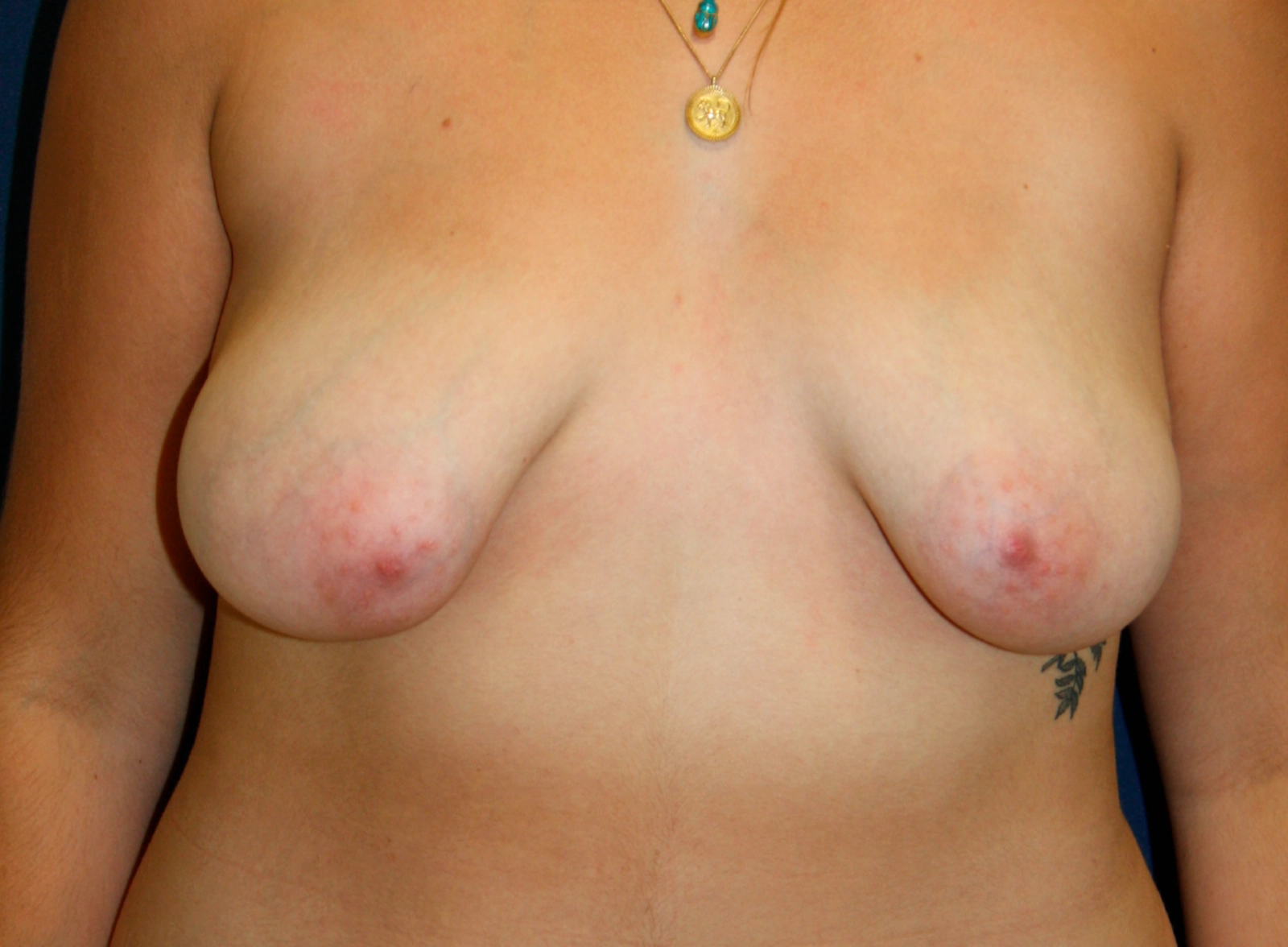
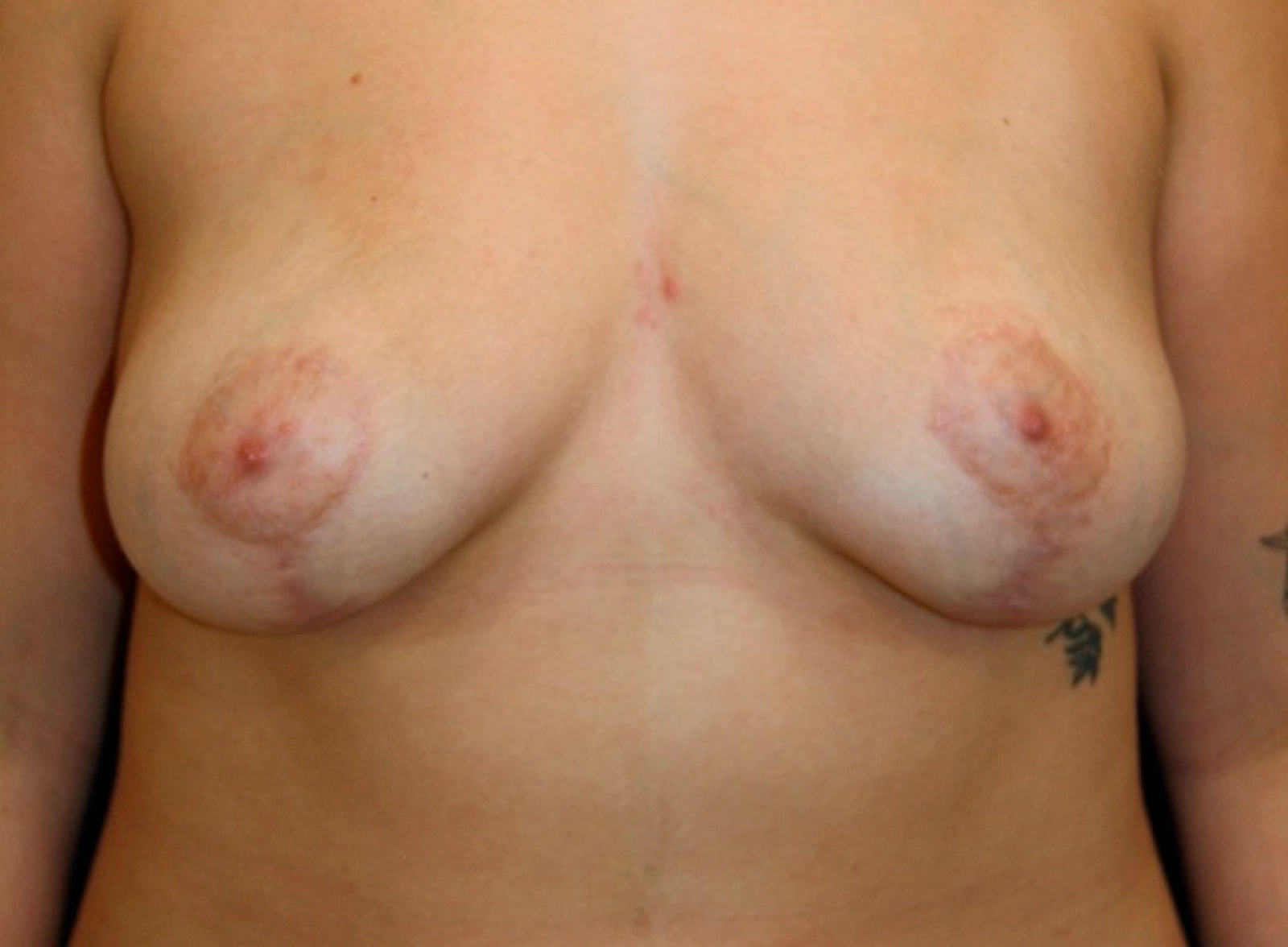
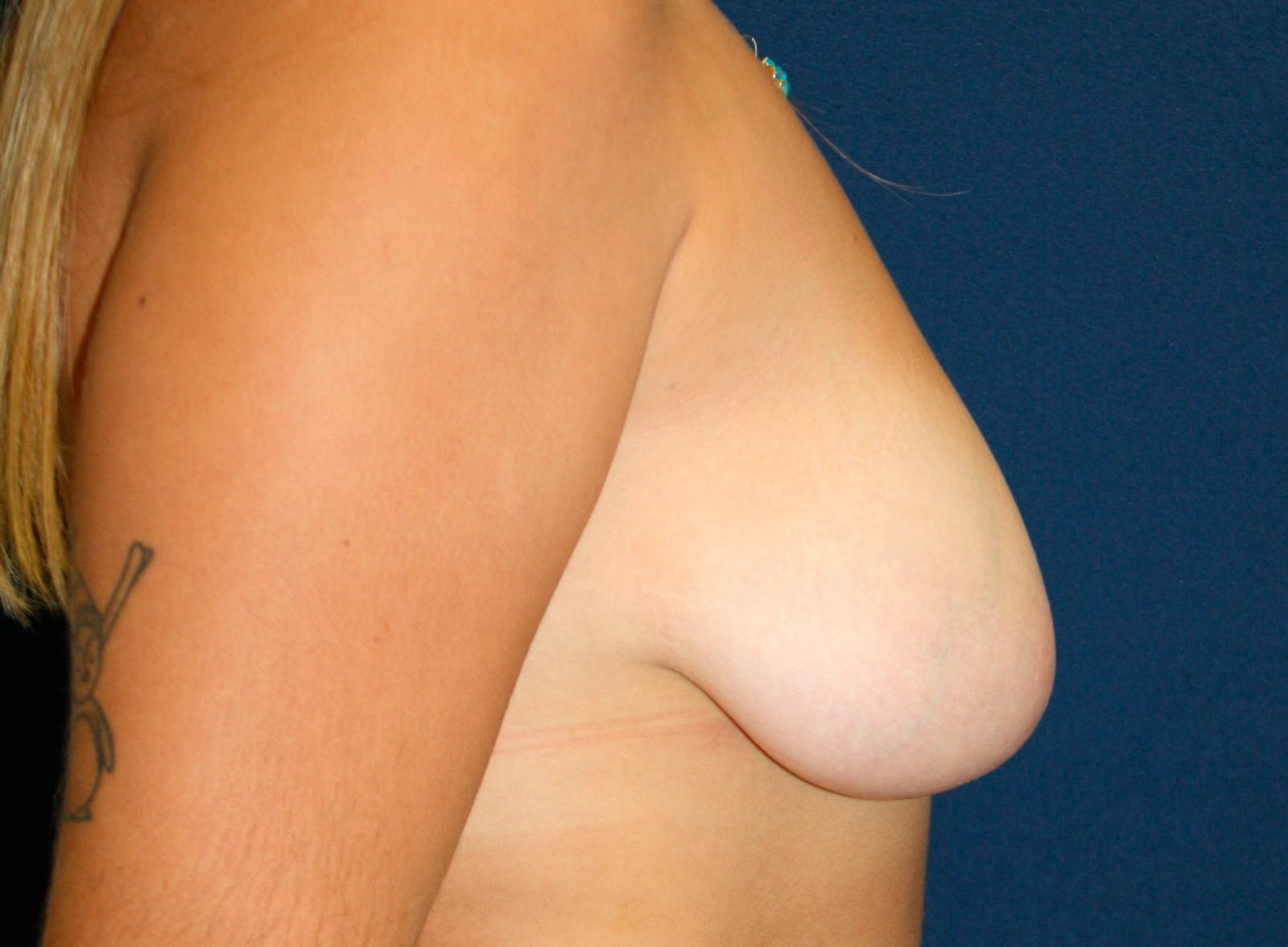
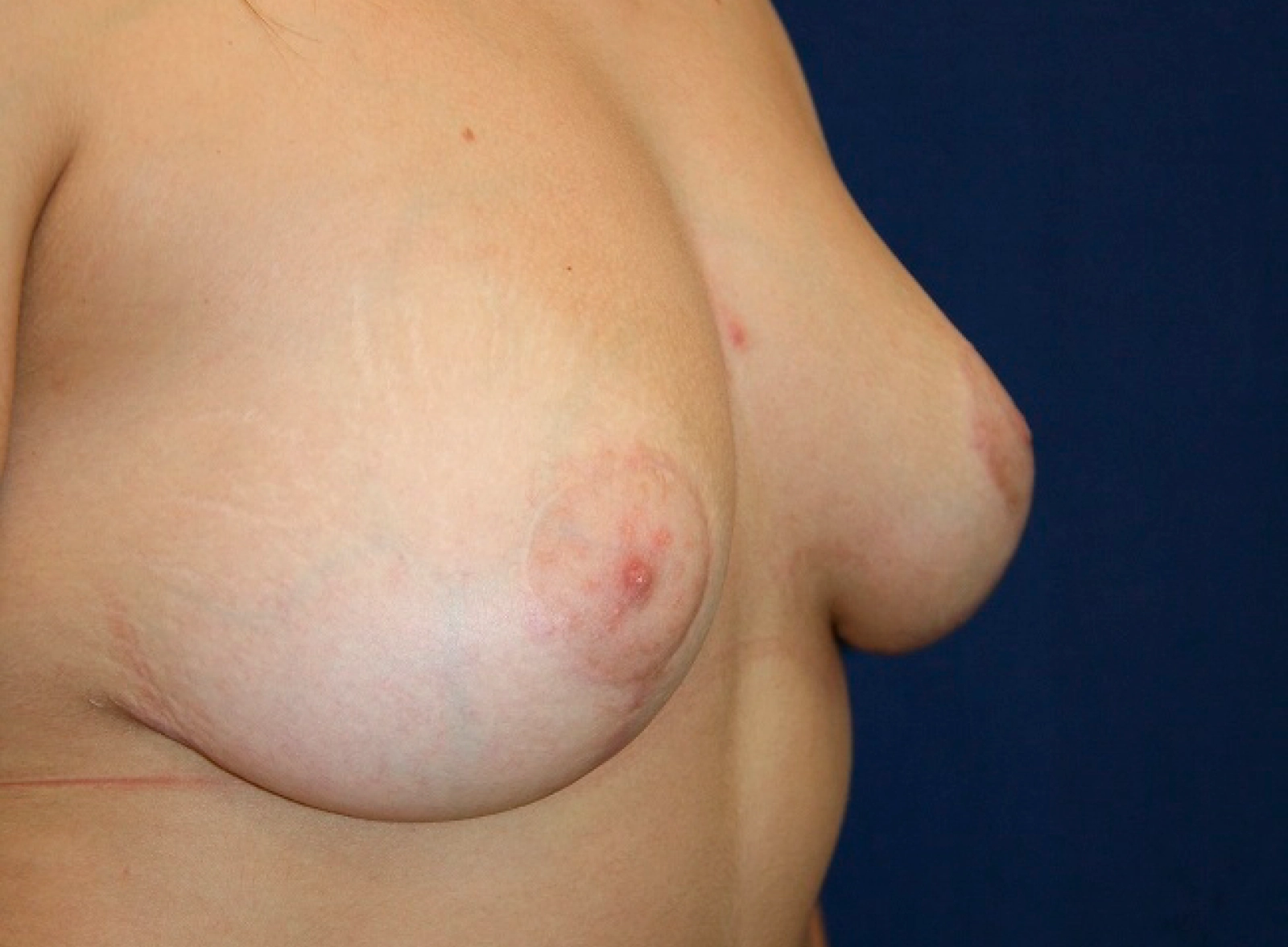
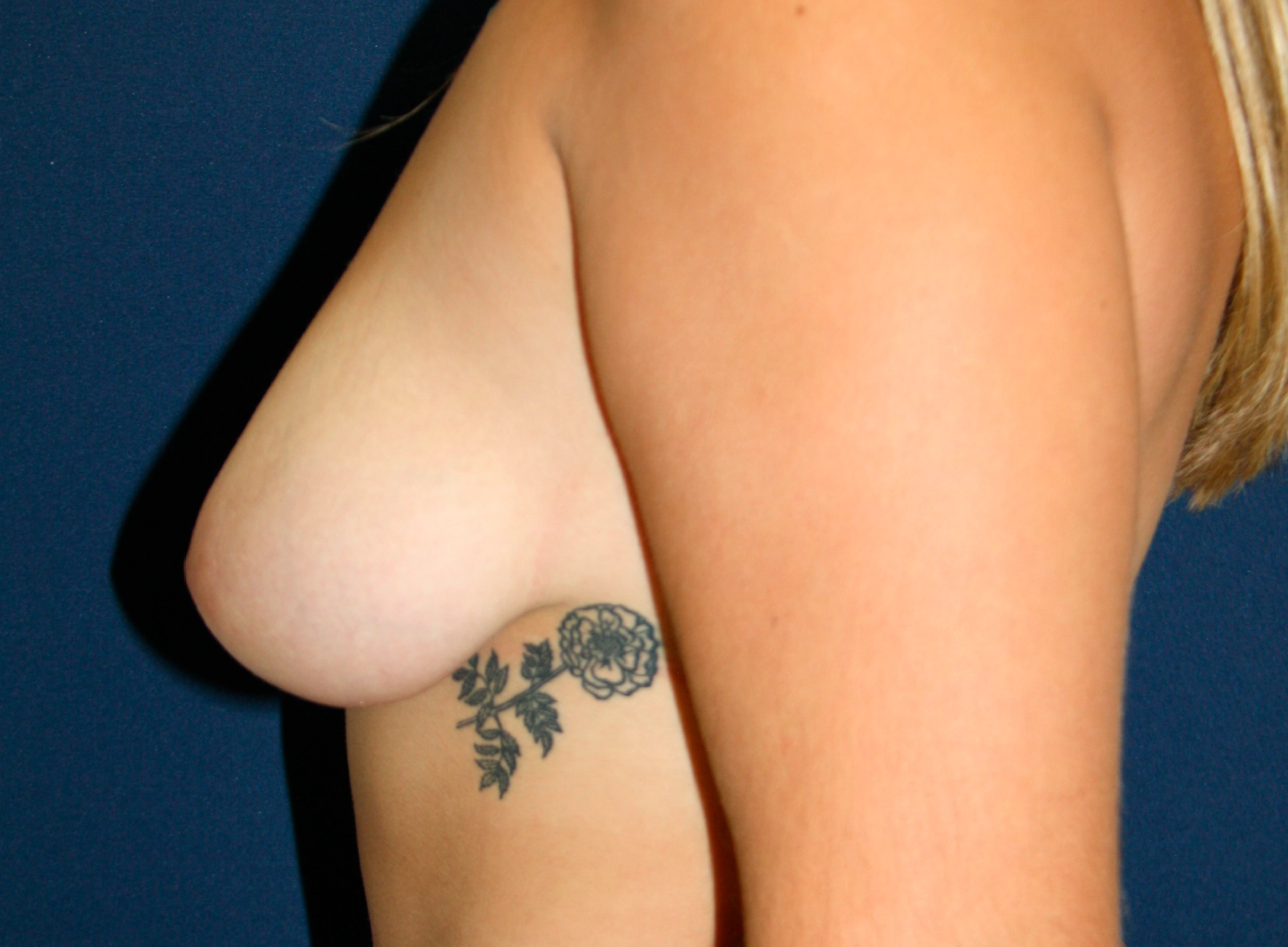
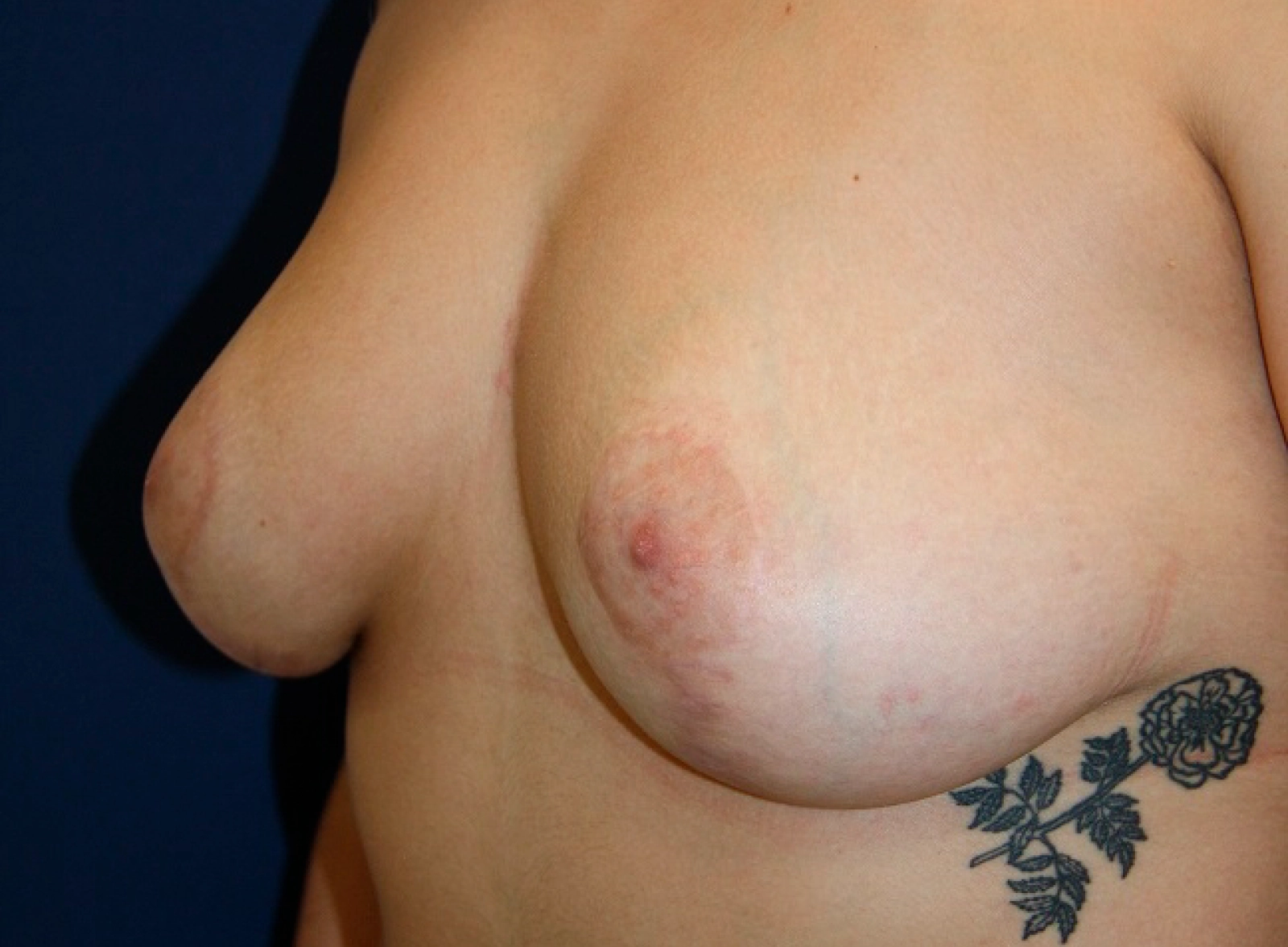
*You may experience swelling and some discomfort, which will gradually decrease over the coming weeks and months until you achieve the final result.
Benefits
Frequently Asked Questions
How do I know if I'm a candidate for reconstructive surgery?
For any type of breast deformity or discomfort, the best way to know if you are a candidate is to consult with a specialist in reconstructive and plastic surgery at the Dra. Ana Torres Institute, who will make the appropriate diagnosis and validate the patient’s health status, in order to ensure that the procedure is viable.
What are the post-operative care requirements for breast deformity correction?
It is important to follow the instructions of the plastic surgery specialist at the Dr. Ana Torres Institute, wear a special bra for the first few weeks, avoid strenuous physical activity, and use sunscreen to protect the area from sun exposure. Following the specialist’s recommendations is essential for achieving natural and long-lasting results.
What are the risks of reconstructive surgery to correct a breast deformity?
Although the risks at the Dr. Ana Torres Institute are minimal, it is possible that after reconstructive surgery you may experience bleeding, infection, bruising, visible scarring, breast asymmetry, loss of nipple sensation, difficulty breastfeeding, and unsatisfactory results. It is important to consult with the doctor at the Dr. Ana Torres Institute about these risks and how we prevent them at the institute.


